West Nile Virus: No cases reported in Corfu – 157 cases nationwide
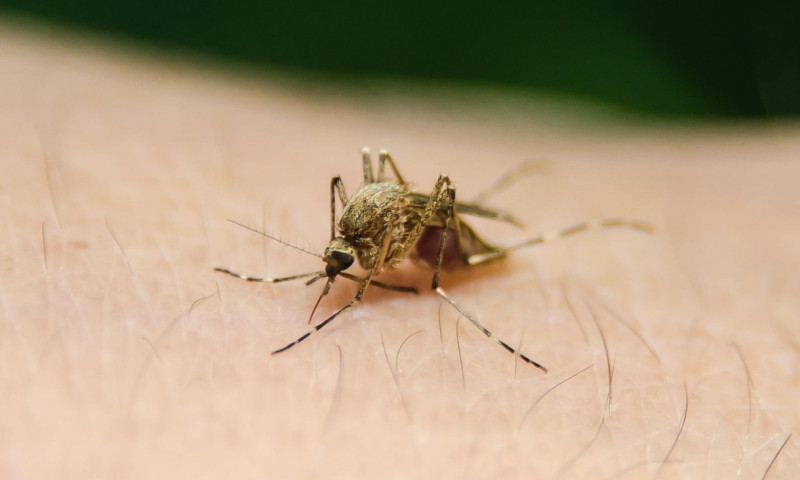 Photo: Pixabay
CORFU. The Municipality of Central Corfu is urging the public to take measures to protect themselves from mosquitoes. Corfu is not included on the list of affected or high-risk areas issued by the National Public Health Organization (EODY).
The Central Corfu and Diapontia Islands Municipal Department of Public Health Protection and Promotion is urging the public to remain particularly vigilant regarding the West Nile virus, as the transmission season is now fully underway.
The latest data from the National Public Health Organization (EODY), however, significantly change the nationwide picture presented in the Municipality’s announcement. According to EODY’s weekly report of August 19, 157 locally acquired cases have been recorded in Greece since the beginning of the transmission season, compared with the 105 cases cited in the announcement. Of these, 116 developed central nervous system symptoms, while 13 deaths have been recorded, all among patients over the age of 65. A total of 47 new locally acquired cases were reported in the past week alone.
No human cases have been recorded in Corfu as of August 19. Furthermore, no municipality in Corfu, nor anywhere else in the Ionian Islands, is included in EODY’s latest list of “affected” and “high-risk” areas. These areas are currently located in Attica, Thessaly, Central Macedonia, Lakonia and Viotia.
The 105 cases cited by the Municipality do indeed come from data published by the European Centre for Disease Prevention and Control (ECDC), but those figures cover data up to August 13. At that time, Greece had reported 105 locally acquired cases in 13 regions.
The absence of cases in Corfu does not, however, mean that there is no risk. EODY itself points out that the virus has become established in Greece and that its circulation has been recorded in all regions of the country in the past.
The Municipality recommends using approved insect repellents, installing screens on doors and windows, wearing appropriate clothing and, above all, removing standing water from gardens, yards and balconies. Older people and those with underlying health conditions should take particular care.
In most cases, the infection is asymptomatic or causes mild symptoms, but in a small percentage of cases it can lead to severe neurological disease.
Informational material and leaflets can be found on the website: https://eody.gov.gr/el/nosimata/loipa-themata-ygeias/kounoypia.html?me=m3
ELENI KORONAKI