Enough of the surprise over way tourism market is evolving
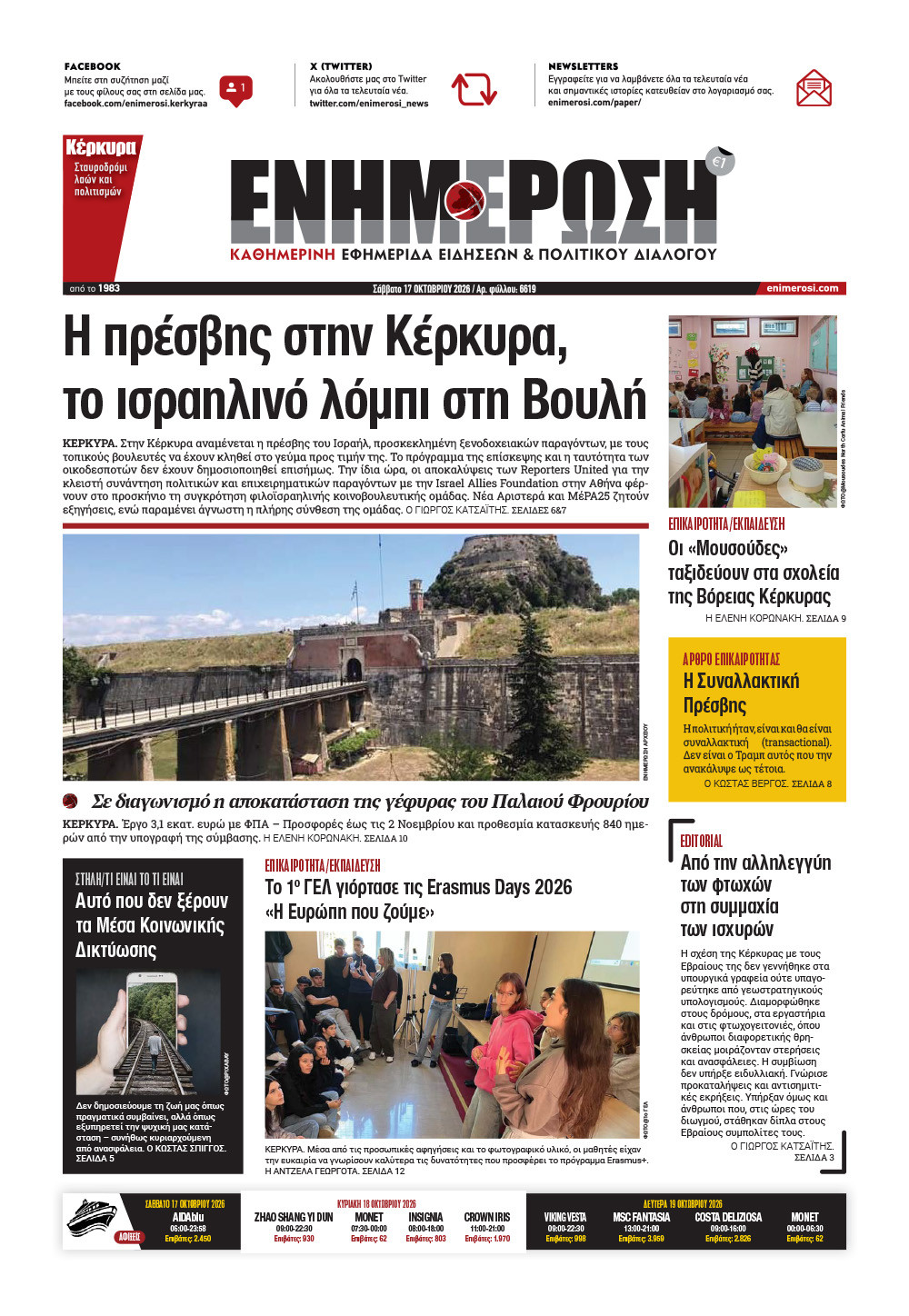
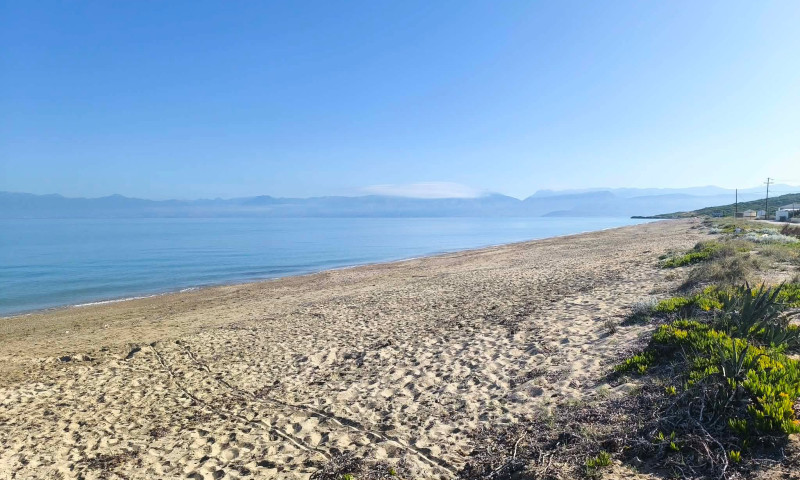 Corfu is now paying the price for decades of sidelining serious talks on carrying capacity, spatial planning, and how tourism benefits are shared. Photo: Enimerosi
CORFU. Every summer, tourism professionals rediscover the consequences of a model they helped build: unchecked growth without rules, limits, or planning. But the market does not shape a place—it simply allocates power and profit on its own terms.
Every year around this time, the same scene repeats itself in Corfu. Tourism professionals, business owners, and small and medium-sized entrepreneurs complain about the consequences of a model that, supposedly, took them by surprise: oversupply of accommodation, price pressure, labour shortages, saturated infrastructure, congestion, deterioration of the visitor experience, and unfair competition. And yet, none of this is a surprise.
When you leave the shaping of the tourism landscape entirely to the mechanisms of supply and demand, without rules, limits, or public planning, the outcome can only be random. Or, more precisely, it is determined by those with the greatest economic power. The market does not design the future of a place. The market pursues immediate profit. And when that becomes the sole criterion, balance is the first casualty.
In Corfu, every attempt over the years to set limits on construction, to discuss the island’s carrying capacity, to regulate tourism development, or to protect public space has been met with suspicion, if not hostility. Rules were portrayed as an obstacle to entrepreneurship. Planning as bureaucracy. The protection of the place as a threat to development.
Today, however, the consequences are returning like a bill that has come due. And they do not only affect residents. They also affect the very small and medium-sized entrepreneurs who believed, for reasons unclear, that full market deregulation would work in their favour. Because in a market economy, especially an unregulated one, there is a hierarchy of power. In an environment without rules, the small operator does not compete on equal terms with the large one. They are not immediately displaced—only later.
Behind the “American dream” of neoliberalism often lies a harsh reality: market freedoms are distributed according to the strength of one’s balance sheet and the size of one’s wallet. The fewer the rules, the greater the advantage for the strongest players.
That is why the question is not whether we need more or less market. It is whether we need a place that can survive its own success. A tourism model with limits, planning, and perspective. Otherwise, every summer we will continue to rediscover, with painful repetition and increasing intensity, the consequences of choices made years ago.
Enough, then. At some point, we must stop being surprised by the results of the very ideas we ourselves defended.
GIORGOS KATSAITIS