Greece unlikely to meet recycling targets
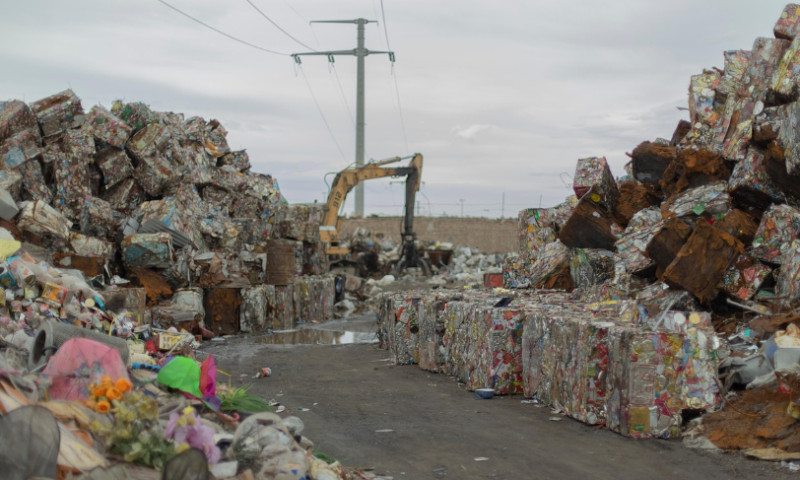
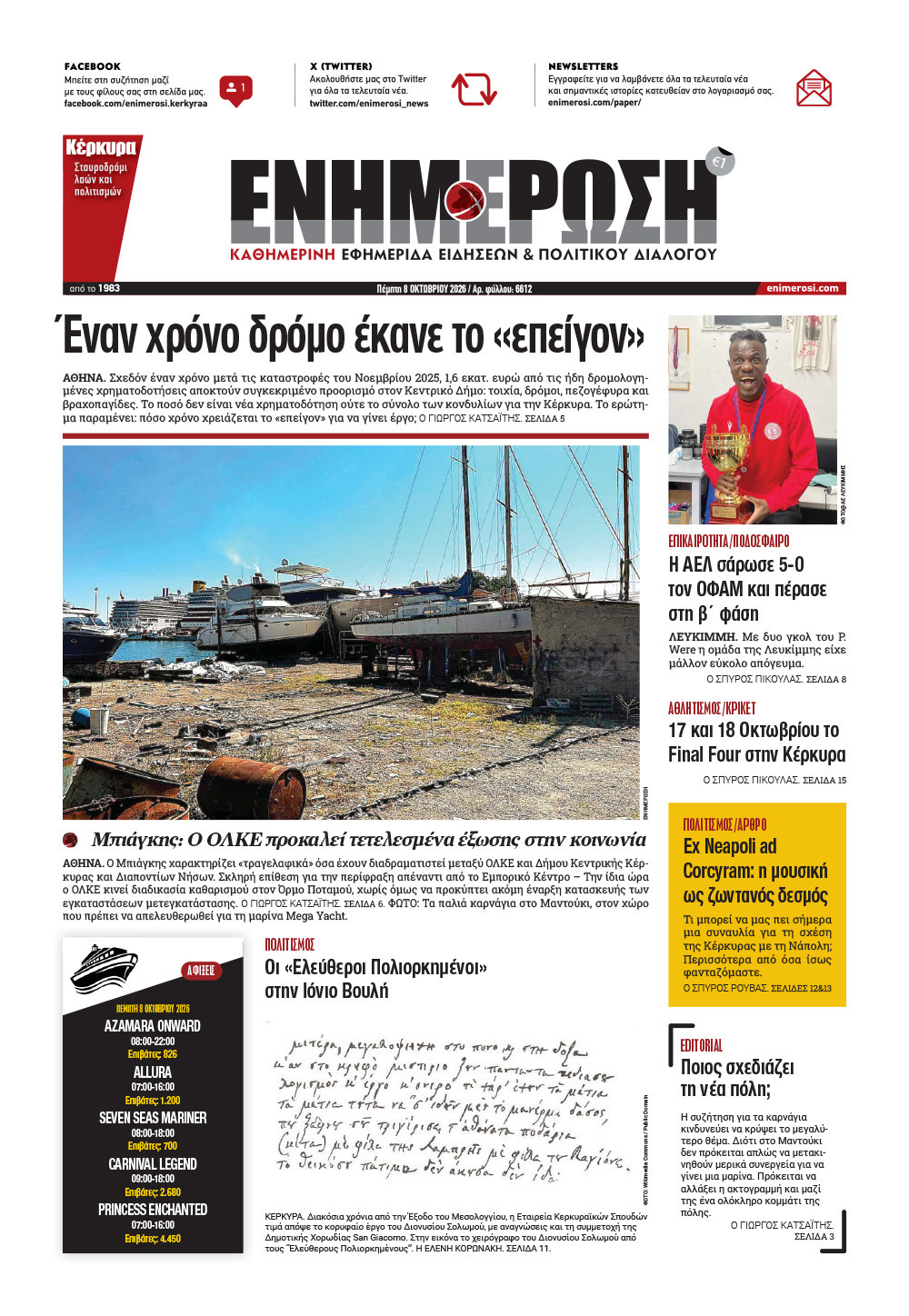
CORFU. The Summit’s conclusions are particularly significant for Corfu, where the shift to the new waste management model still hinges on the completion of the planned Waste Recovery and Recycling Facility (WRRF).
With a key warning that the country is at risk of failing to meet the European targets for municipal waste management by 2030, local government authorities share the common assessment that delays accumulated over recent years have become significant and that the available time has now been dramatically reduced.
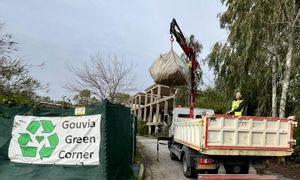
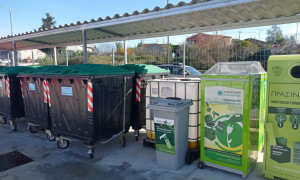
Participants expressed serious concern about the progress of the national waste management plan. Despite advances in infrastructure, recycling rates remain low, while European reports continue to record a significant shortfall in Greece’s performance. It was specifically highlighted that the new Waste Recovery and Recycling Facilities (WRRFs) alone will not be sufficient to achieve the targets without the development of comprehensive separate waste collection systems.
Particular reference was made to Attica, which generates approximately 50% of the country’s municipal waste. According to the conclusions, the lagging performance of Greece’s largest region cannot be offset by progress elsewhere in the country, making the overall achievement of European commitments even more difficult.
The Network also points out that the Regional Waste Management Plans have reached their final stage, but significant obstacles to their implementation remain, including delays in the operation of new alternative waste management systems, the lack of comprehensive planning for biowaste, and the difficulties faced by small island and mountainous municipalities.
These findings are of particular importance for Corfu, where the transition to the new waste management model continues to depend on the construction of the planned Waste Recovery and Recycling Facility (WRRF). Despite repeated assurances that the project will ultimately secure funding, it remains outside any financing programme to date, preventing construction from beginning. This outstanding issue practically confirms the main concern raised at the Summit: that plans alone are not enough without secured funding and rapid implementation. For Corfu, the delay means that the island remains in a transitional phase, while European obligations and the 2030 targets are drawing closer. It is therefore not coincidental that the Regional Waste Management Authorities (FODSAs) describe the situation as a “race against time with an uncertain outcome,” calling for plans to be immediately transformed into mature, funded, and implementable projects.
Strong criticism was also expressed regarding delays in financing projects through the 2021–2027 Operational Programme for the Environment and Climate Change and through landfill tax revenues, as well as regarding the new institutional framework, which, according to the FODSAs, adds further checks and bureaucracy to the procedures. Concerns were also raised about the planning of energy recovery from waste, with critics arguing that it is being promoted without meaningful participation by local authorities and without a clear understanding of the costs that municipalities and citizens will ultimately bear.
In conclusion, the Summit calls on the State to accelerate decision-making, secure stable sources of funding, and move towards closer cooperation with the Regional Waste Management Authorities (FODSAs) and municipalities, so that plans can be quickly transformed into practical projects. At the same time, the Network states that it is ready to contribute its twenty years of experience to the development of a realistic and effective national waste management policy, while expressing clear reservations about whether the 2030 targets can still be achieved without drastic changes. For Corfu, where the largest project of the new period is still awaiting funding approval, this warning carries particular significance.
GIORGOS KATSAITIS