Ongoing problems in Old Town and absence of planning
CORFU. This is no longer a matter of ‘difficulties’ or ‘systemic problems.’ It is a matter of political choices — or, if you prefer, the absence of political will.
A few weeks before the start of the tourist season, the Old Town is facing exactly the same problems: traffic congestion, confusion over parking, inadequate building maintenance, unauthorised interventions, and a lack of oversight.
This is no longer a matter of ‘difficulties’ or ‘systemic problems.’ It is a matter of political choices — or, if you prefer, the absence of political will.
The main issue is not the recording of the problems. It is that, for years now, no clear and binding plan has been shaped for what kind of Old Town we want.
A town for just a few months a year
The much-discussed “vibrancy” of the Old Town lasts only as long as the tourist season. In winter, the picture changes drastically: closed shops, limited services, difficulty in meeting basic needs.
This is the result of a tourism monoculture model, which has been consistently reinforced over time without safeguards to protect permanent residency and the local economy. The daily life of residents is not treated as a planning priority — and this is evident in practice.
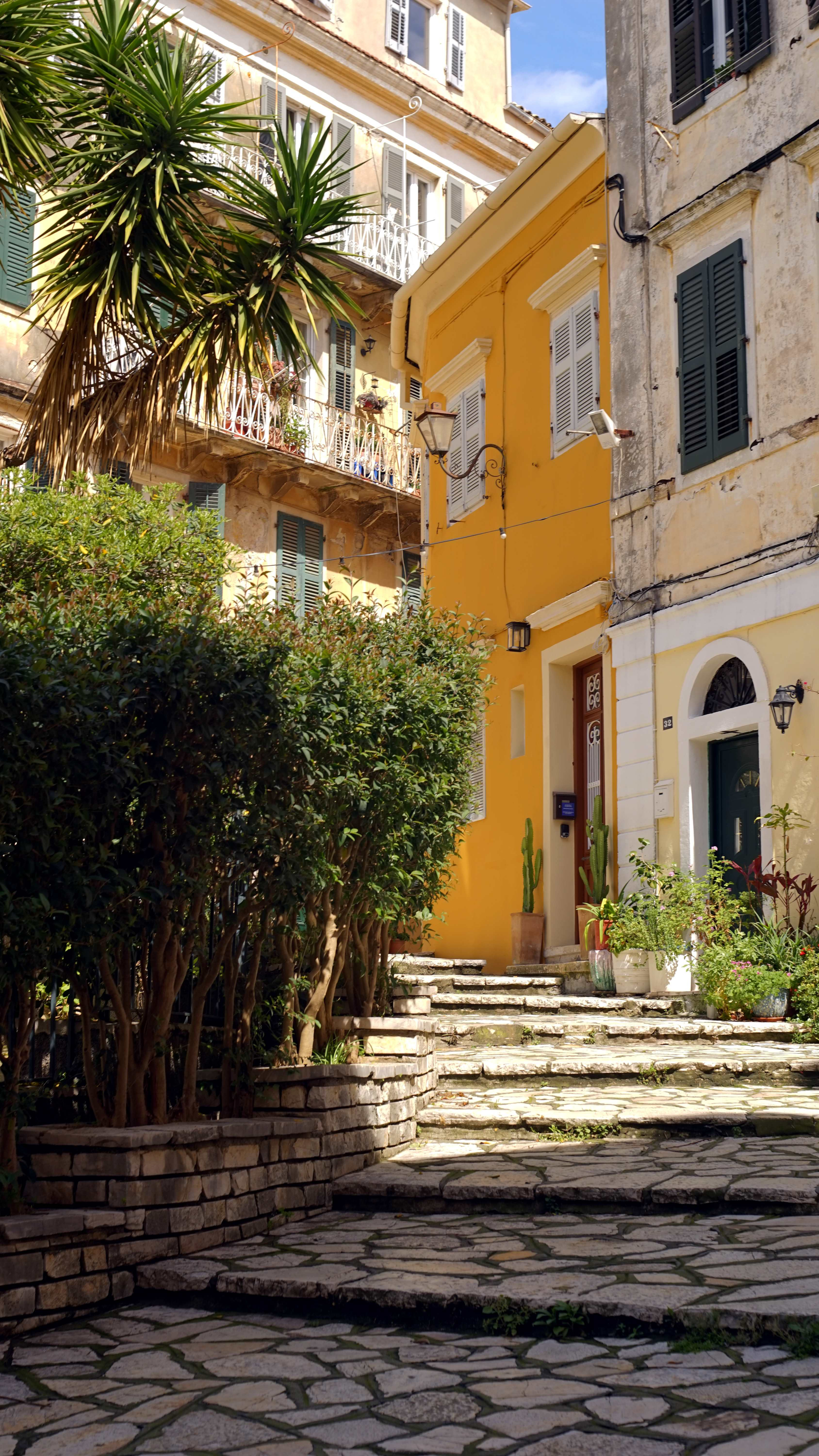
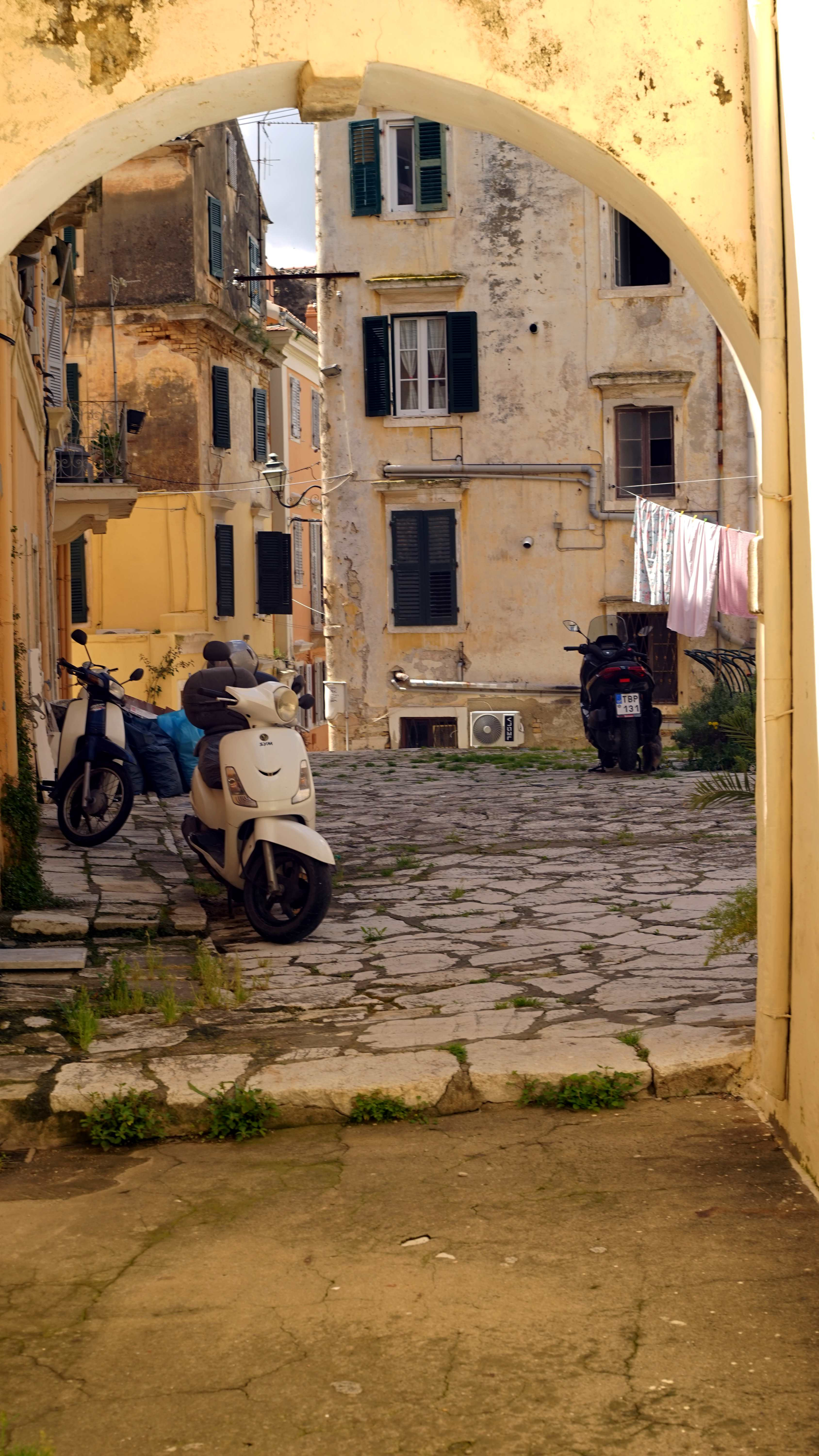
Noise pollution, the uncontrolled proliferation of food and beverage establishments, and the occupation of public space with café tables and chairs are not merely issues of “law enforcement,” but political choices.
Whom does the administration protect, and whom does it facilitate?
Parking and traffic without clear rules
The situation in the parking area of Lower Square and throughout the surrounding area is indicative. Inadequate signage, makeshift arrangements, and an operating framework that serves everyone except the permanent residents. In practice, both residents and visitors move within a climate of uncertainty, which every summer turns into tension.
The problem is not technical. It is political: no decision has been made as to whether the Old Town will operate with priority given to permanent residents or exclusively on the basis of visitor traffic (that is, under the terms of the “free market”).
Buildings Crumbling and Insufficient Oversight
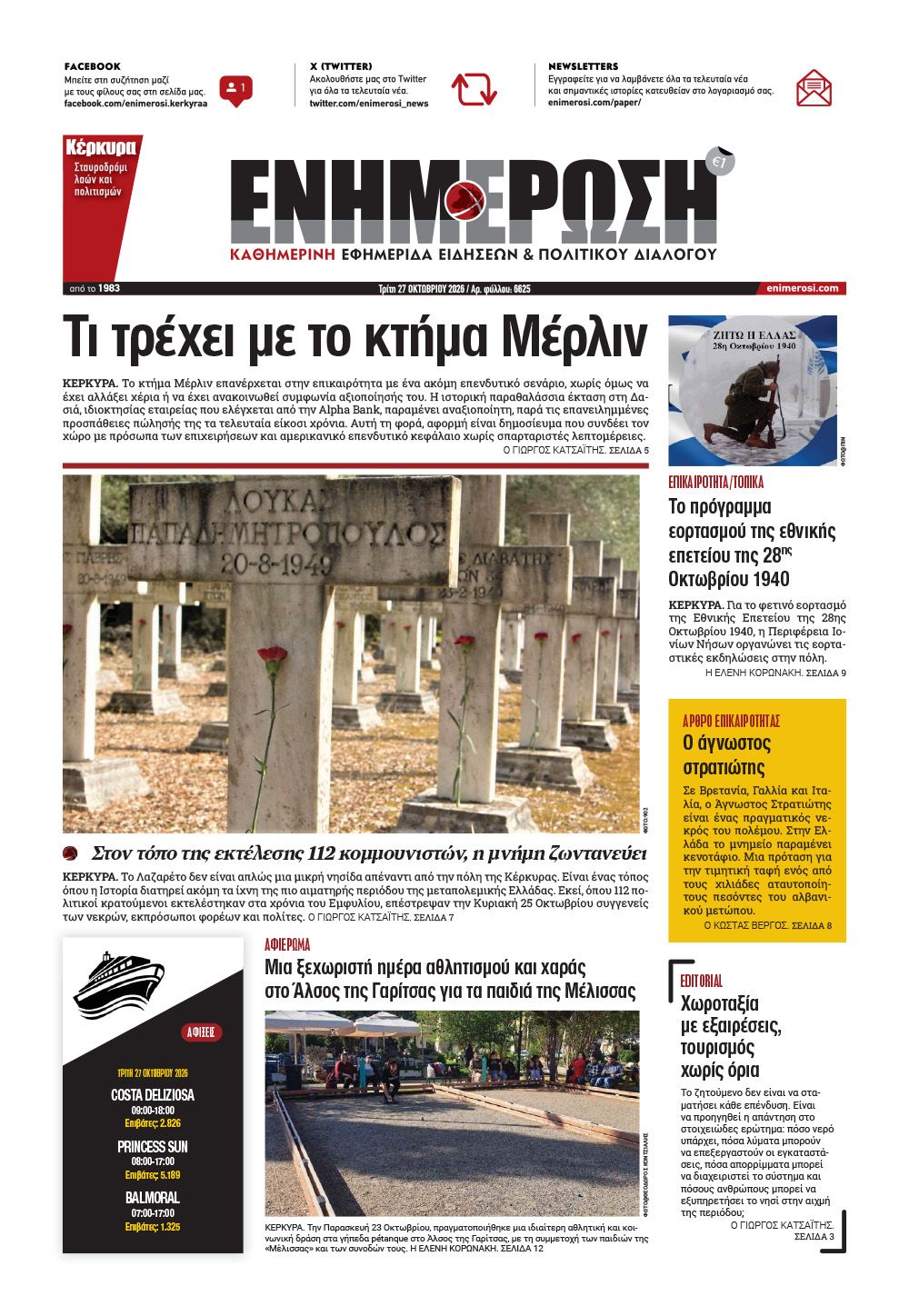
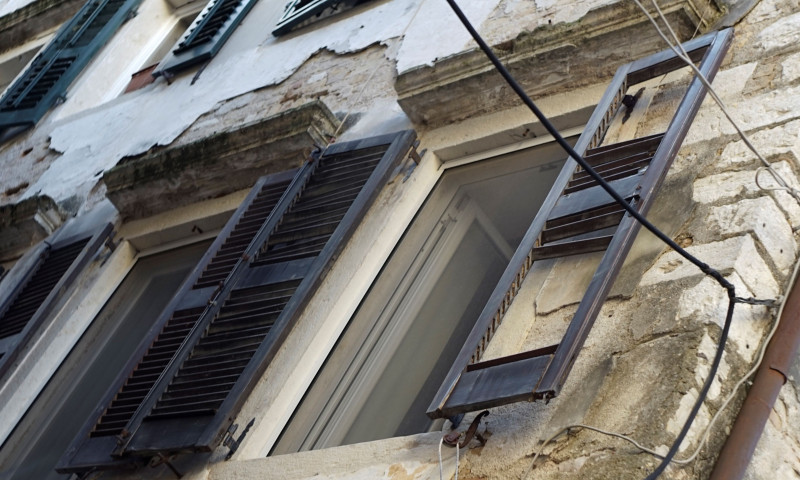
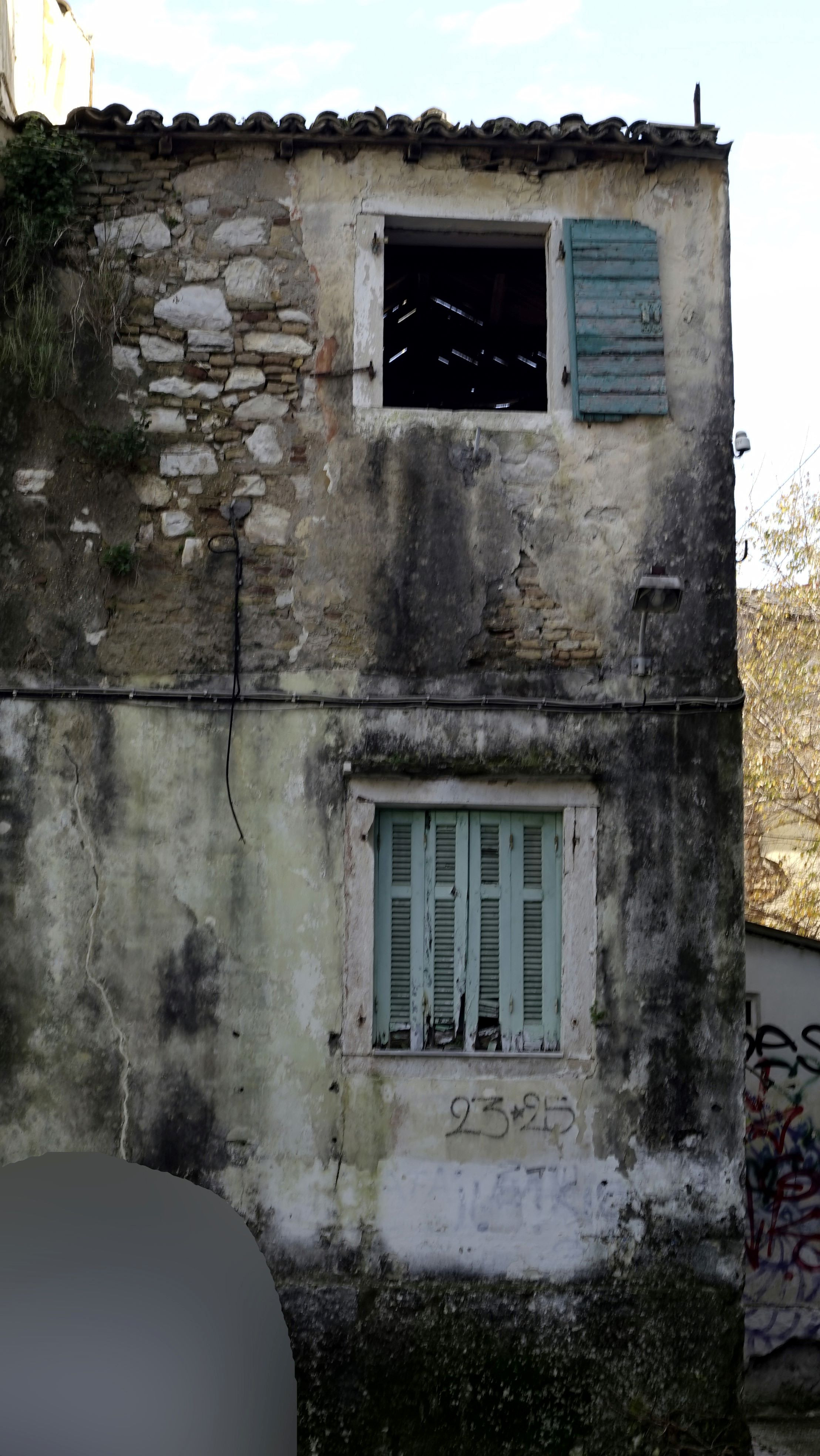
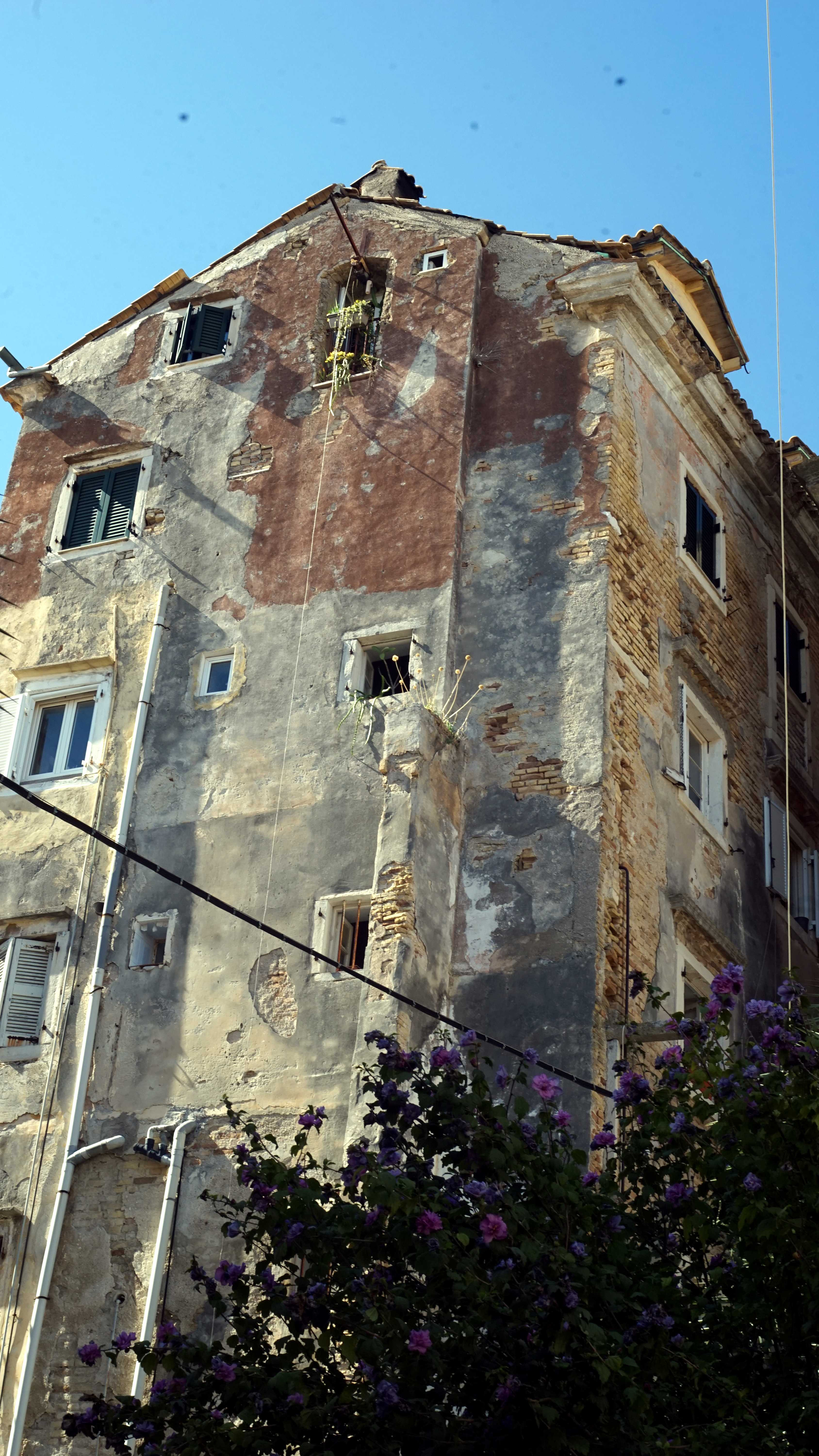
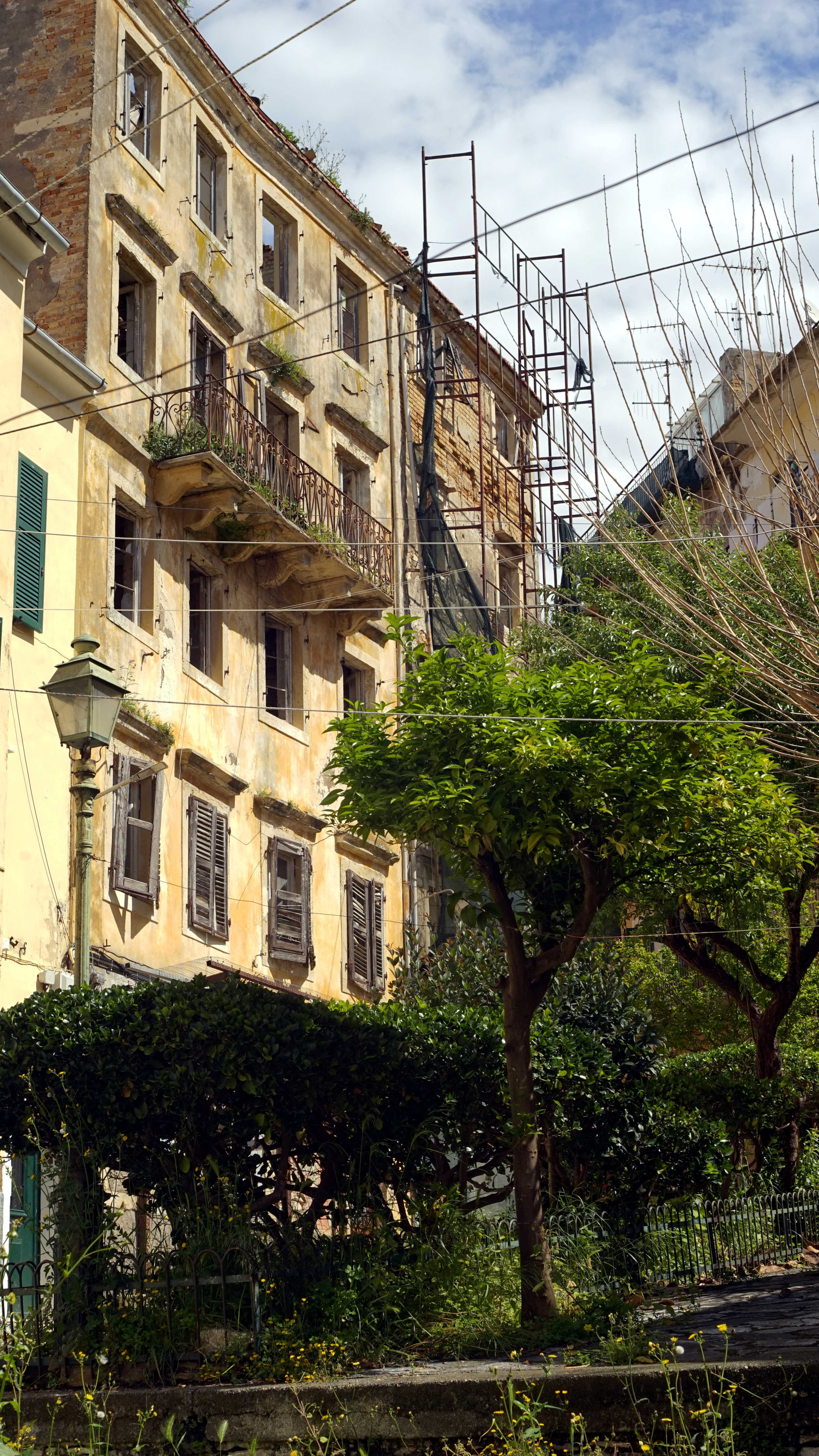
Incidents of falling plaster are not isolated. They are the visible side of a chronic maintenance problem. Although responsibility lies with property owners, the state and the Municipality cannot limit themselves to merely acknowledging the issue. Monitoring mechanisms, incentives, and a clear framework of obligations are required, and the need for immediate measures is now evident.
At the same time, unauthorised interventions and extensions are altering the character of the area. Selective strictness and piecemeal inspections reinforce the sense of unequal treatment.
UNESCO Status Without a Management Plan
The Old Town of Corfu is a UNESCO World Heritage Site. This is not merely a promotional title; it entails obligations of sustainable management.
However, it is not clear what the comprehensive plan is for the protection and operation of the area. How is the balance ensured between tourism development and the preservation of permanent residency? How is public space protected? How is social cohesion strengthened?
Without concrete answers, the UNESCO designation risks functioning as a promotional tool rather than as an instrument of strategic planning.
Changing Character
The permanent population of the Old Town is declining, homes are being converted into tourist accommodations, and the social composition is changing rapidly. All of this is happening without a substantive public dialogue about what the future of the Old Town will be — not in ten or twenty years, but not even for next year. Conferences and workshops highlight the issue and possible approaches, but they do not advance solutions.
Uncontrolled tourism expansion does not necessarily constitute a long-term development strategy. Without limits and rules, it may lead to a loss of identity, social life, and sustainability.
The Real Question
The real question is not whether problems exist. It is whether there is the political will to set clear rules, confront vested interests where necessary, and shape a binding plan for the next decade.
Because if the area’s development is left exclusively to the so-called forces of the market and to piecemeal interventions, then the changes will not simply be gradual — they will be irreversible, and the living settlement will be transformed into a mere backdrop.
GIORGOS ZOUMBOS