Widespread criticism over passenger traffic at airport
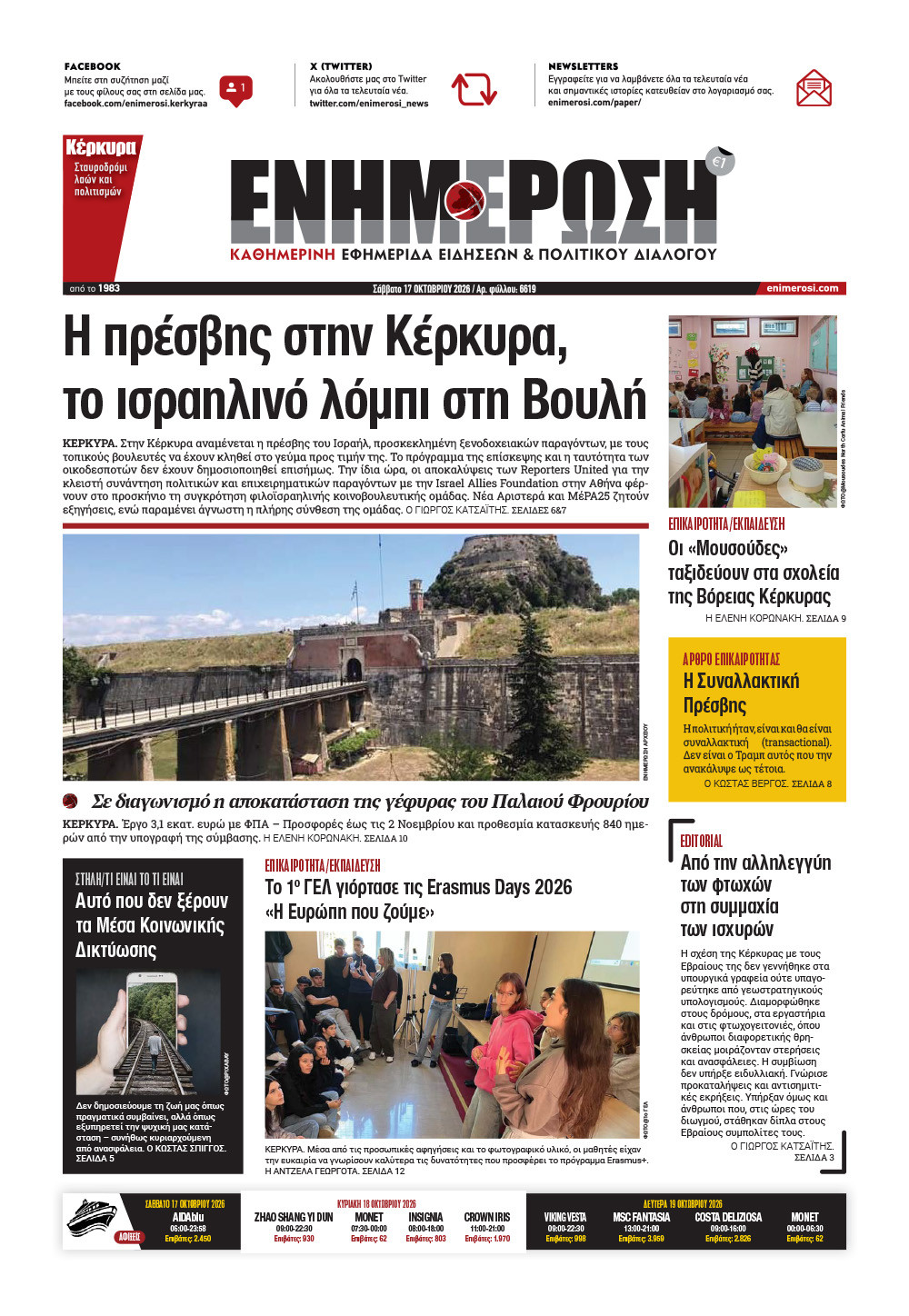
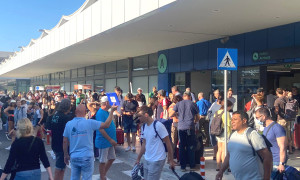
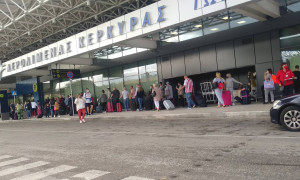
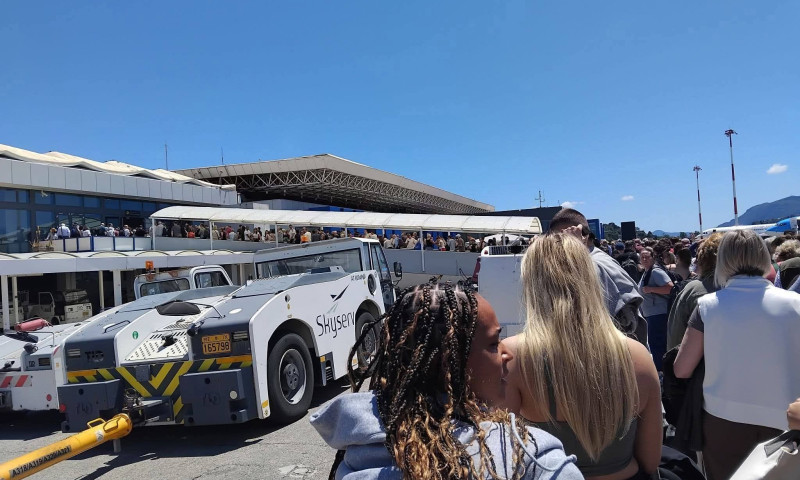 Many people are also pointing out the inconvenience faced by visitors at the airport, who are forced to remain exposed to the sun while undergoing security checks. Photo: FB/Agni Merianou
CORFU. We reviewed the comments under the article presenting the airport data—call it market research if you like. The rise in airport traffic is a genuine statistical fact. The real question is what exactly is being measured and how much of that traffic ultimately remains in Corfu.
The discussion about airport data highlighted the need to distinguish between air traffic and the real footprint of tourism on the local economy.
The debate sparked by figures showing increased traffic at Corfu’s airport reflects more than just a disagreement over numbers. It reveals the gap between air traffic, as recorded by the airport management authority, and the actual economic and social impact that tourism has on the island.
Airport data are concrete and comparable: they show how many passengers were handled this year compared to last year. From this perspective, the increase in traffic is a real, verifiable fact. However, this does not automatically mean that all of these passengers stay in Corfu, spend the night on the island, or proportionally support the local market.
Corfu’s airport has for years also functioned as a gateway to southern Albania, the nearby mainland tourist coast, Syvota, Epirus, Lefkada, Paxos, sailing tourism, and home-port cruise operations. This is not new. However, it is a factor that must be taken into account when interpreting the figures.
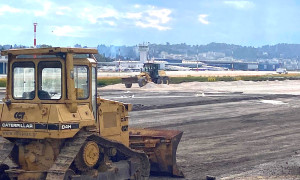
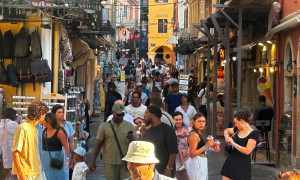
On the other hand, criticism expressed by professionals and residents cannot simply be dismissed as complaining. Many point out that arrivals do not correspond to overnight stays, nor to turnover in local businesses. Others are calling for data from the Corfu Port Authority regarding the Albania route and transfers to cruise ships, in order to clarify what portion of traffic actually translates into economic benefit for Corfu. There is also the on-the-ground impression that some areas, despite increased arrivals, feel less lively than one might expect for the season.
The essential issue, therefore, is not whether the airport figures are accurate. It is what exactly they measure. They measure airport traffic, not necessarily the tourism performance of Corfu. A more complete picture requires parallel data on overnight stays, occupancy rates, daily spending, passengers traveling to Albania, home-port cruise activity, day tourism, all-inclusive packages, and local turnover.
And of course, behind the numbers lies the broader question of infrastructure. Roads, parking, water supply, sanitation, lighting, the hospital, passport control, airport waiting conditions, and the resilience of the town are not secondary issues. On the contrary, they determine whether increased traffic becomes an opportunity or a burden.
Corfu remains an attractive destination—this is undeniable. But attractiveness is not enough when it is not accompanied by reliable infrastructure and a clear reading of the data. Air traffic growth is one thing; the real tourism benefit to the island is another. The former is easily recorded. The latter requires more comprehensive reporting, more data, and fewer premature conclusions.
GIORGOS KATSAITIS