Digital map to assess how much tourism Ionian Islands can sustain
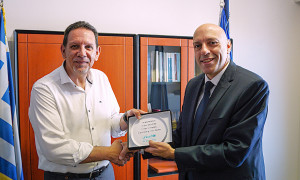
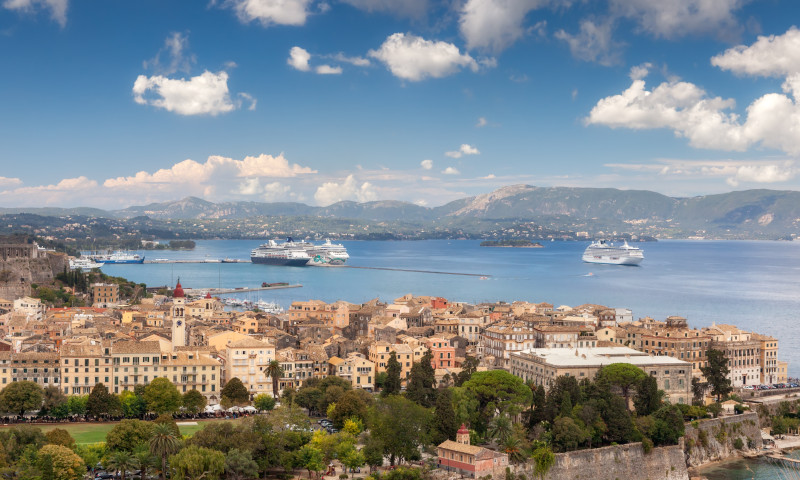 Corfu from above. The Ionian University is developing a digital system that will bring together data on tourist flows and the pressure tourism places on infrastructure across the Ionian Islands. Photo: CC BY-SA 4.0.
CORFU. Ionian University is beginning work on a system that will collect data on tourism and its impact on residents’ daily lives. The aim is to help local authorities identify where and when infrastructure comes under the greatest pressure, enabling them to plan interventions more effectively.
How many visitors can an area accommodate without exhausting its water supplies, clogging its roads or putting excessive pressure on its beaches? And how can municipalities identify in advance where problems are likely to arise at the height of the tourist season?
Ionian University is seeking to answer these questions through a new research project, IonianDTwin, which has just got underway.
Researchers plan to create a digital map of the Ionian Islands that will bring together and combine information on tourism, infrastructure and the environment. This is known as a “digital twin”: a digital representation of real-world conditions that is updated as new data becomes available.
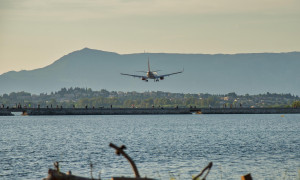
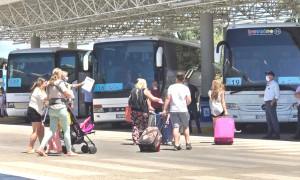
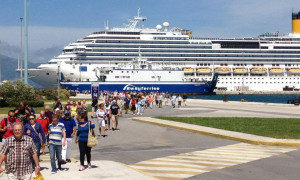
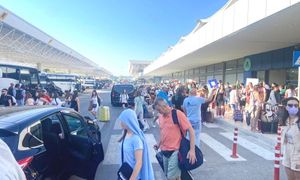
For example, the system will be able to combine tourist arrivals at airports and ports with road traffic, the condition of beaches and environmental data. This will enable it to identify areas where tourism is placing the greatest pressure on local resources and infrastructure.
The project will draw on information from more than 25 different sources and calculate 34 indicators to provide a picture of conditions in each area. It will also use artificial intelligence to forecast tourist flows and potential infrastructure problems.
The system is designed to be easy to use. A municipal employee or member of the public will be able to ask a question and receive information without needing any programming skills or having to analyse complex spreadsheets.
The aim is to ensure that decisions about tourism are based on real data. In other words, municipalities should be able to assess where action is needed rather than discovering problems only after they have already arisen.
For now, however, this remains a research project rather than a ready-to-use service. Scientists will first need to establish whether the data they collect can produce reliable forecasts.
In its announcement, Ionian University does not specify when the system will be completed, nor whether an agreement has already been reached with the Ionian Islands Regional Authority and the municipalities on how it will be used.
GIORGOS KATSAITIS