Corfu Mega Yacht Marina: Boatyards, Port Authority and town΄s future
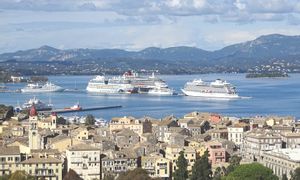
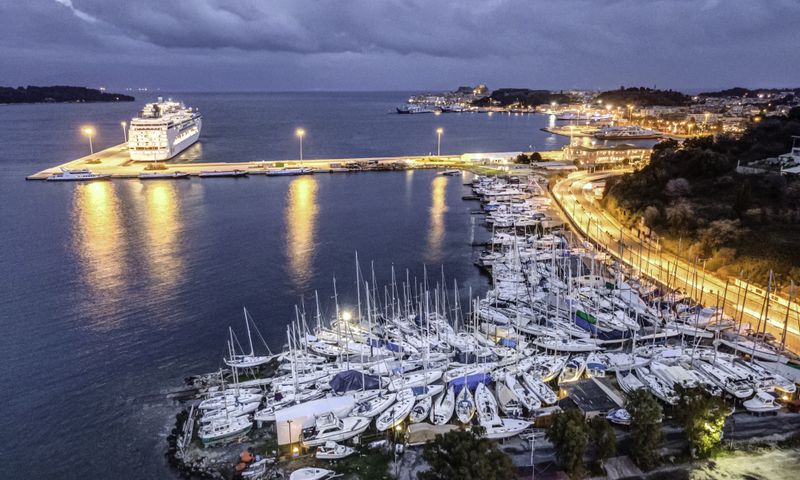 Although the project is expected to fundamentally change the town’s relationship with the sea, place new demands on public infrastructure, and influence Corfu’s identity for decades to come, no substantive public discussion ever took place about how it would be incorporated into the urban landscape. Photo: Lavranos/Enimerosi
CORFU. The controversy over the boatyards is about far more than the relocation of a traditional craft. It exposes the absence of public planning around the largest private development project planned for Corfu’s seafront and the failure of local authorities to secure conditions in the town’s interests.
The controversy over the boatyards is ultimately about much more than the relocation of a working maritime activity. It is the first visible chapter in the largest private investment ever envisaged for Corfu’s waterfront, while also exposing a debate that was never truly held: what kind of relationship the town will have with the new mega yacht marina, and what identity its waterfront will take on in the decades ahead.
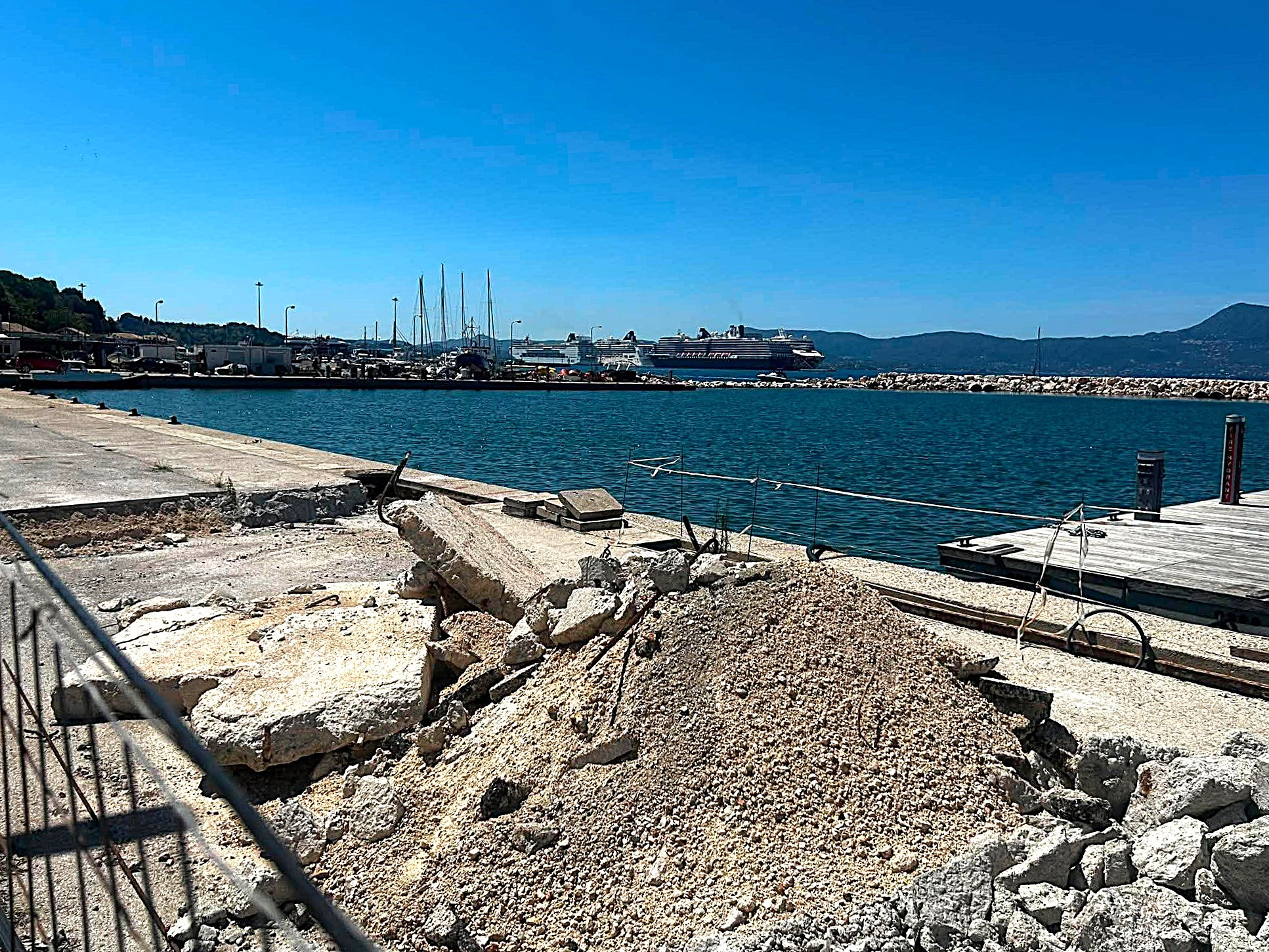
For around 25 years, the Greek state, the Regional Authority and Corfu Port Authority have been struggling to build a small harbour at Spilia…
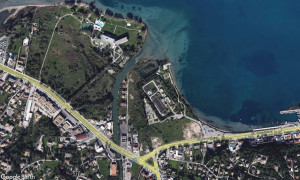
The investment by Lamda Development is not limited to the creation of a new marina for large vessels. It entails a radical reshaping of the port area, directly affects the “Arta Bridge” — the tourist boat harbour at “Kafé Gyalí” — and inevitably raises questions about public access to the sea, increased traffic pressures, new road and port infrastructure, parking, and the overall functioning of the city. In other words, this is not simply a business investment but an intervention that will redefine the way Corfu relates to its seafront.
And yet this strategic choice was never the subject of meaningful public consultation. The agreement was advanced and ratified without any organised discussion taking place about its impact on the town. The presence of the regional governor and the mayor shortly before the agreement was approved by Parliament created the impression of institutional involvement at the very last moment. Certain reservations were expressed, but afterwards there was no systematic effort to press for changes, no comprehensive framework of demands, and no public initiative to establish conditions that would ensure the investment would also serve the needs of the city. In practice, the stance of local government representatives was passive and lacking initiative in the face of a development expected to fundamentally transform Corfu’s urban and economic landscape.
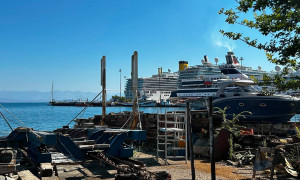
Within this broader context lies the issue of the boatbuilders. The removal of the boatyards is the necessary first step for the investment works to begin and explains the pressure being applied to meet the contractual deadlines. However, this necessity does not relieve the state and the bodies involved of their obligation to ensure that the relocation takes place under conditions that allow the continuation of their work.
The boatbuilders are asking for the obvious (as someone would say): that the new site must have the infrastructure required for them to continue operating. The slipway, port facilities and basic technical infrastructure are not additional conveniences but essential requirements for the survival of their profession. The question, therefore, is not why the professionals are objecting, but who is responsible for constructing these facilities and why they are being asked to leave before those facilities have been completed.
From a town port to a marina town?
The current conflict with Corfu Port Authority is, in reality, the visible expression of a much deeper planning problem. Instead of the town first defining the conditions under which it would welcome the largest investment in its modern history, it is now discussing, after the fact, how the boatyards should be relocated. Yet the real question is much broader: what kind of Corfu do its residents want after the marina, and under what terms can development coexist with the island’s history, its productive activities, public space and quality of life?
The boatbuilders have simply brought this discussion to the surface. They are not the problem; they are the catalyst for opening, albeit belatedly, a debate that should have taken place before the investment began.
GIORGOS KATSAITIS