Albanians show how it΄s done
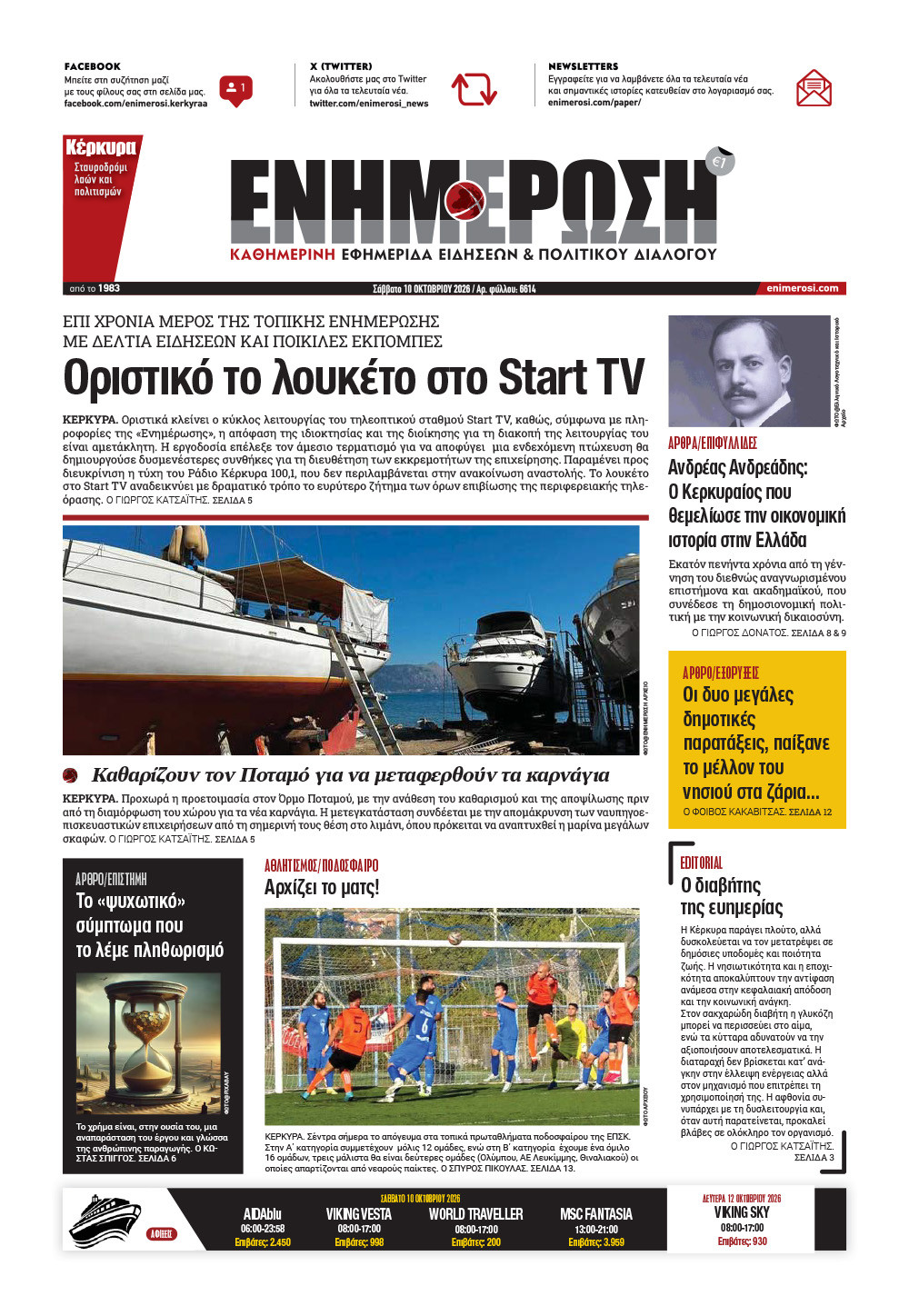
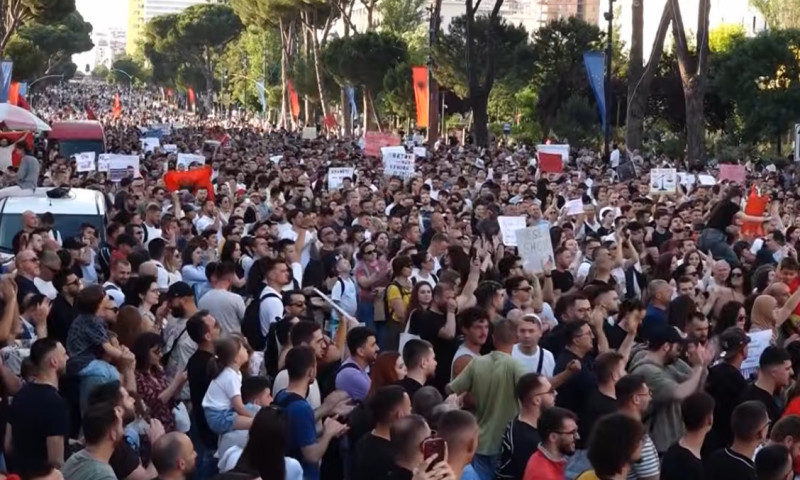 Photo: Klan TV
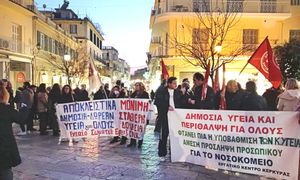
CORFU. In Zvërnec, people are not protesting over flags or ethnic identities. They are protesting for their land, the environment, and the right of local communities to have a say in the development of their region.
The uprising of residents in Albania's Zvërnec is neither a minority issue nor an ethnic one. It is a citizens' response to a model of tourism investment that reshapes physical space, often displacing local people from their land, coastlines, and traditional livelihoods. This Western Balkan uprising has much to teach—not only Albania, but Greece as well.
Zvërnec appears to be acting as a catalyst for broader discontent with the development model that Edi Rama has pursued in recent years. The government has built a large part of its economic strategy around attracting large-scale foreign investment, particularly in tourism, coastal developments, marinas, and high-value real estate. Supporters of this policy point to impressive growth in tourism and increased capital inflows. Critics, however, denounce special legislative arrangements, fast-track permitting procedures, limited consultation with local communities, and a lack of transparency regarding land use and environmental approvals.
In this sense, Jared Kushner's investment in Sazan Island embodies many of the characteristics that fuel this criticism. It is enormous in scale, concerns an exceptionally sensitive coastal area, and is associated with a figure from the inner circle of Donald Trump. For this reason, the protests involve not only residents of Zvërnec but also environmental organisations, academics, cultural heritage preservation groups, and segments of the opposition. The slogan is not simply "No to the investment." More often, it is "No to the development model that this investment symbolises."
And this is not an exclusively Albanian phenomenon. On Milos, Paros, and in Chania, strong opposition has emerged against forms of overtourism and large-scale tourism projects. In Spain, from Barcelona to Mallorca and the Canary Islands, thousands of citizens have protested against the transformation of their cities and islands into tourist theme parks. In Venice, the pressure became so intense that an entry fee for visitors was eventually introduced. Even in Turkey, from Gezi Park protests to environmental mobilisations in provincial regions, conflicts over development and land use have taken on political dimensions.
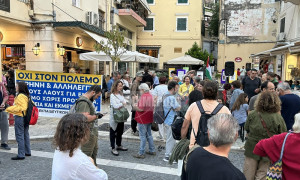
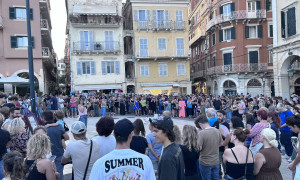
For an observer from Corfu, the picture is familiar. The same questions arise everywhere: How much large-scale investment does a place really need? Who gets to decide? What benefits flow back to local communities? And where should the balance be struck between development, environmental protection, and public space?
GIORGOS KATSAITIS