΄Estia΄ connects Corfu and Serbia
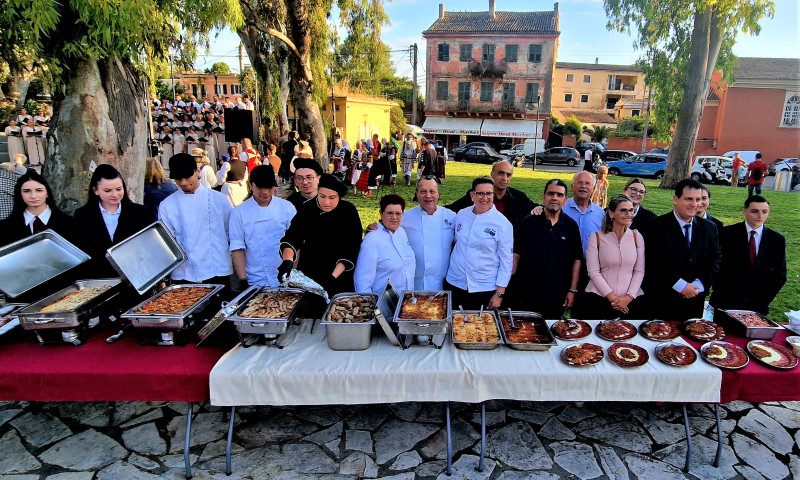 Corfu Food and Wine Festival
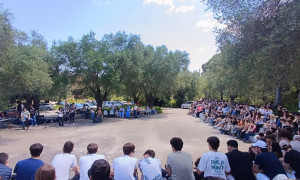
CORFU. Saturday 2 May at Garitsa & Anemomylos Park.
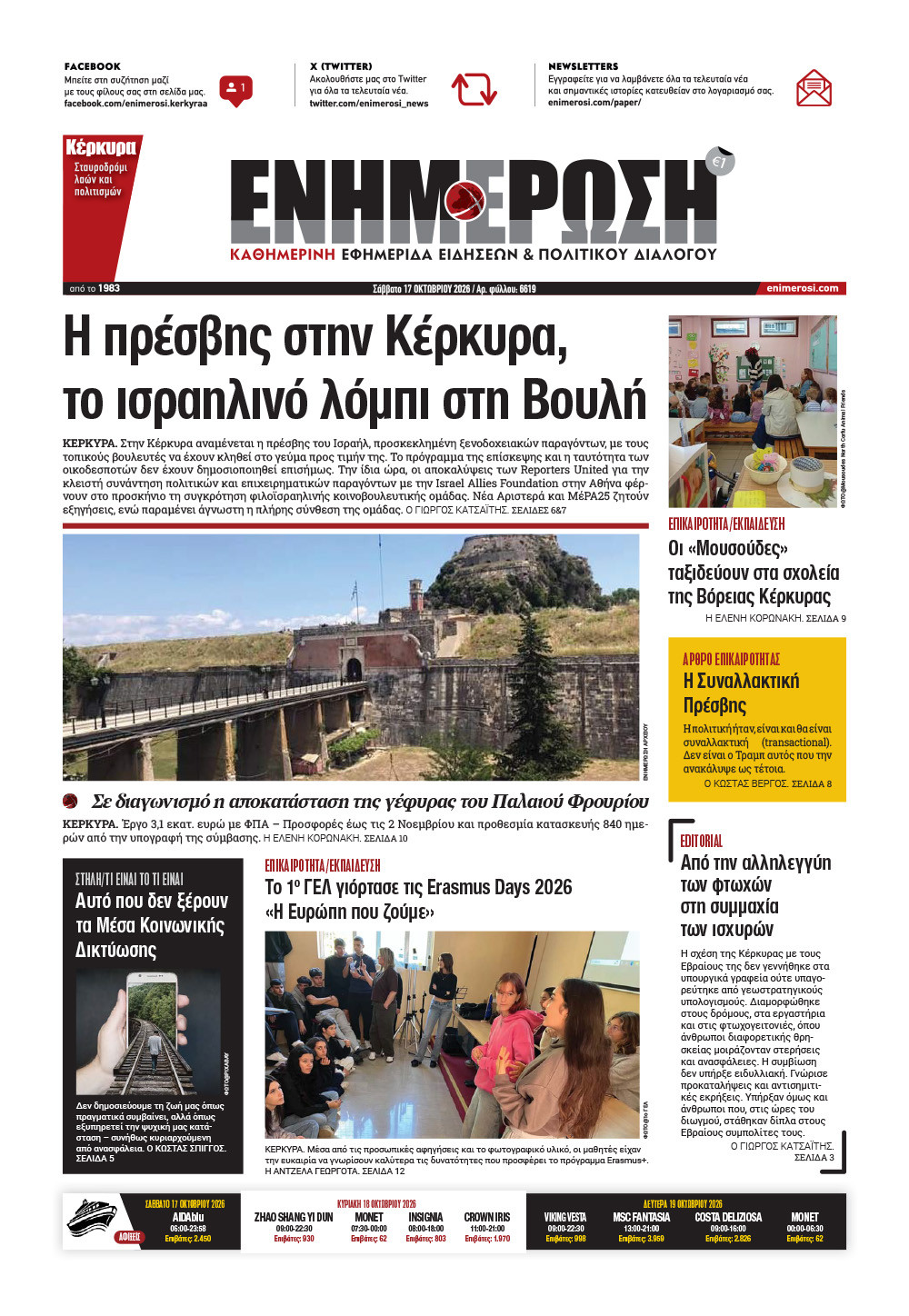
For the fourth consecutive year, the Association of Greek-Serbian Friendship is participating in the Corfu Food & Wine Festival, highlighting the timeless bond between Corfu and Serbia through gastronomy and tradition.
A title with meaning
This year’s presentation bears the title “Estia.” In Serbian it is rendered as ognjišta, while in Corfu the word ωγνίστρα is preserved. This linguistic kinship reflects a deep relationship that transcends history and remains alive in memory and everyday life.
Estia symbolises the home, hospitality, and warmth. Since Homeric times, Corfu—the island of the Phaeacians—has been associated with the concept of welcoming, hosting Odysseus and offering him care and a path home.
“The hearth of the world”
This unique identity was also noted by the Armenian writer Kostant Zarian, who lived on the island in the 1930s and described Corfu as “the hearth of the world.”
Flavours from Serbia
At the festival, Serbia is presenting its culinary tradition through dishes inspired by the family table. The menu is curated by distinguished chef Ivo Andric, a certified Worldchefs judge and specialist in Balkan cuisine.
Visitors will taste, among others:
– proja with kajmak and ajvar
– smoked trout pâté
– buckwheat pie with wild mushrooms
– moussaka with sauerkraut and smoked meats
– slow-roasted lamb and pork
– traditional sweets with honey, walnuts, and plums
Education and collaboration
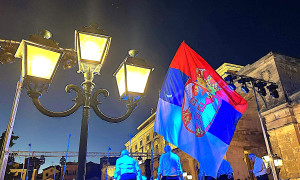
A special place in the programme is held by the chef’s masterclass for students of the Ionian Islands Tourism SAEK, in cooperation with the Corfu Chefs’ Club.
SAEK consistently participates in the festival, being the only school in Greece with such an active presence in an international event. For the students, this experience serves as a field of practice, collaboration, and contact with top professionals.
An evening of symbolism
The event on May 2nd is not only a gastronomic occasion…
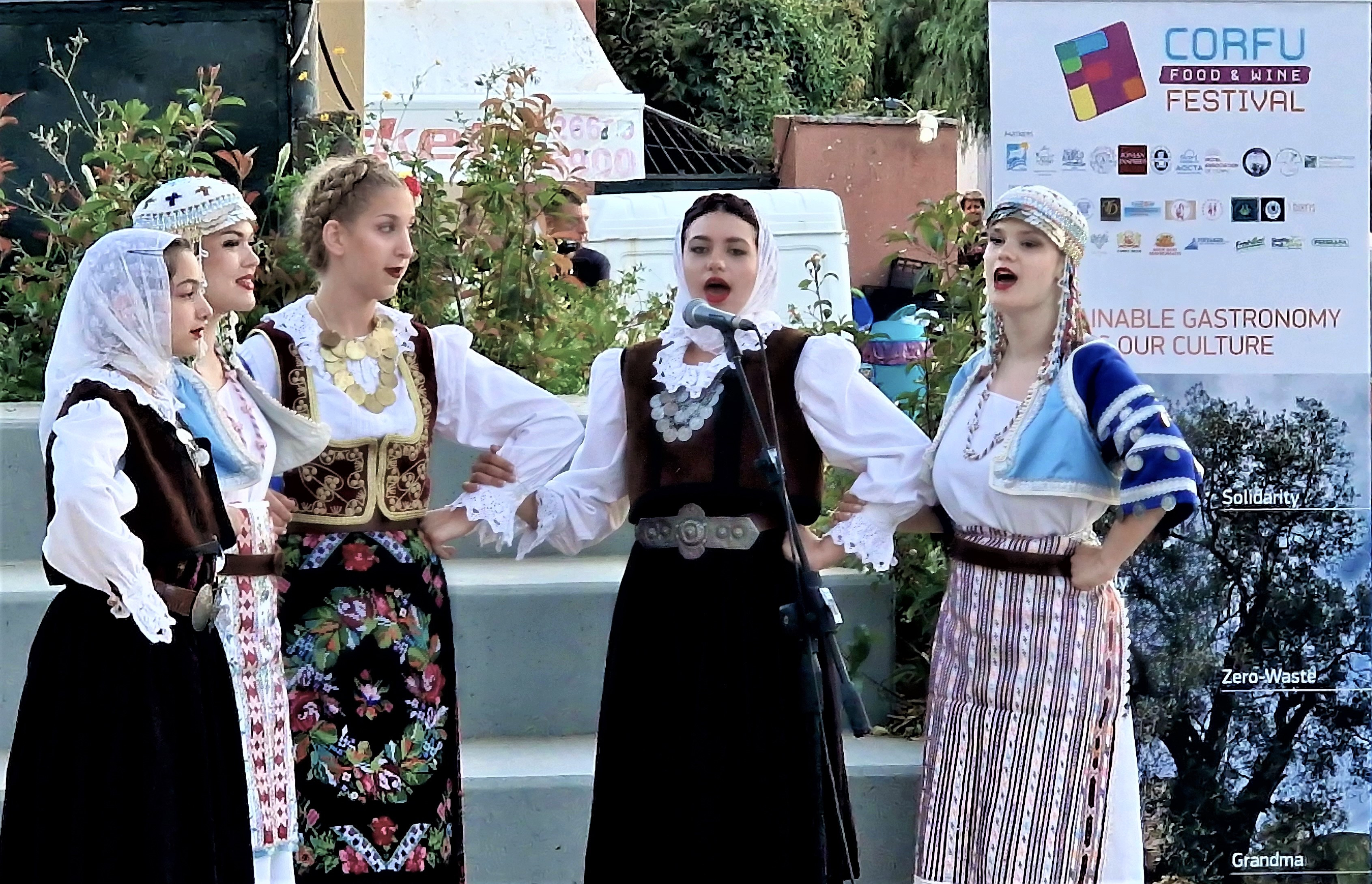
It is a meeting of culture and memory — a reminder that the “hearth” remains alive when people share a table, stories, and values.
GIORGOS KATSAITIS