Ionian Sea: Drilling operation that could reshape region
 ΓΡΑΦΗΜΑ ΤΟΥ ΟΙΚΟΝΟΜΙΚΟΥ ΤΑΧΥΔΡΟΜΟΥ.
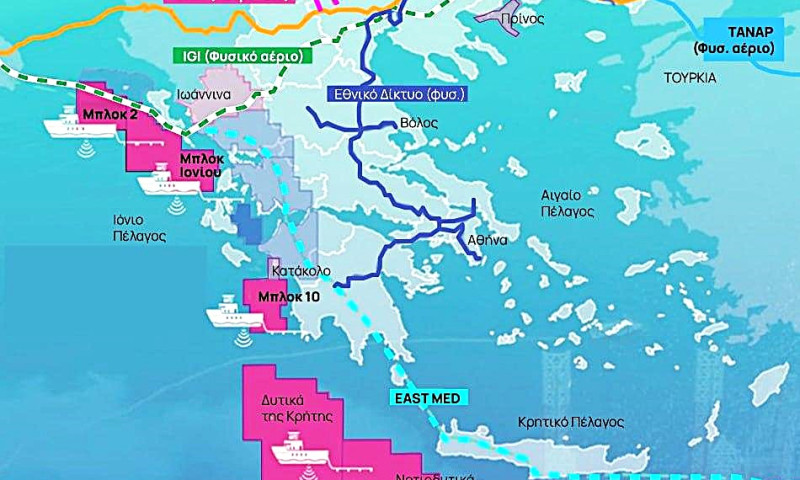
CORFU. The first drilling in Block 2 is drawing near, but success is far from certain. If a field is discovered, development will centre on Igoumenitsa, while Corfu will face challenges to its image and environment.
The chances of success in Block 2 in the Ionian Sea remain subject to confirmation, as is the case internationally with similar projects: it is estimated that there is roughly a 20% to 30% probability of discovering a hydrocarbon deposit, but a significantly lower likelihood—around 10% to 15%—that it will be a deposit that is truly commercially viable and capable of supporting production.
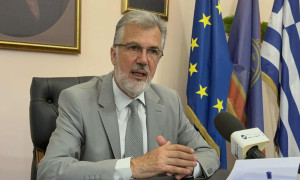
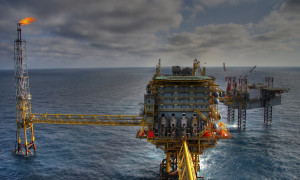
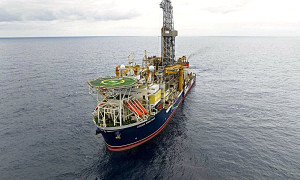
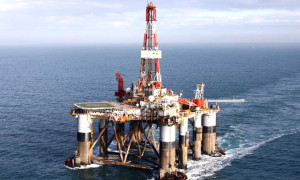
Despite the uncertainty, the presence of major companies in the new consortium, such as ExxonMobil, in partnership with Energean and Hellenic Petroleum (HelleniQ Energy), indicates that the geological indications are considered sufficient to justify proceeding with drilling. With today’s agreement essentially securing the drilling rig and marking the transition into the implementation phase, the timeline is now shifting to a more concrete point: the first exploratory well is expected, barring delays, in early 2027.
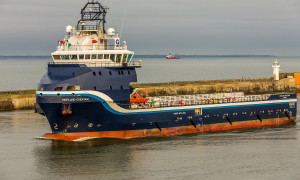
If this drilling confirms the existence of an exploitable deposit, the geography of development in the region will change in a clear but uneven way. Igoumenitsa is almost certain to evolve into the main support hub for operations, due to its mainland location and its capacity to accommodate heavy infrastructure, supply chains, technical bases, and continuous vessel traffic. This will translate into a boost for the local economy, new jobs, and a gradual shift in the town’s profile toward a more energy- and logistics-oriented role, with increased activity throughout the year rather than only seasonally.
By contrast, Corfu is not expected to host heavy industrial activity directly, as its tourism-oriented character and infrastructure constraints act as deterrents. However, the impact will be felt more indirectly. Proximity to an extraction zone could affect the island’s image as a “clean” and natural destination, raise concerns among parts of the tourism market, and heighten environmental sensitivities within the local community. Thus, while Corfu may gain some economic benefits through services and support, its main challenge will be preserving its identity.
GIORGOS KATSAITIS