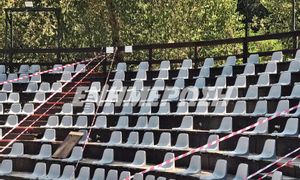
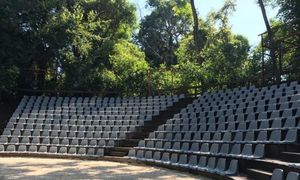
The next act must be performed outside the theatre
 Enimerosi archive photo
CORFU. When a public cultural space becomes a major attraction, the State and the Municipality must provide the necessary access and parking infrastructure, so that the costs of its operation are not borne by the local residents.
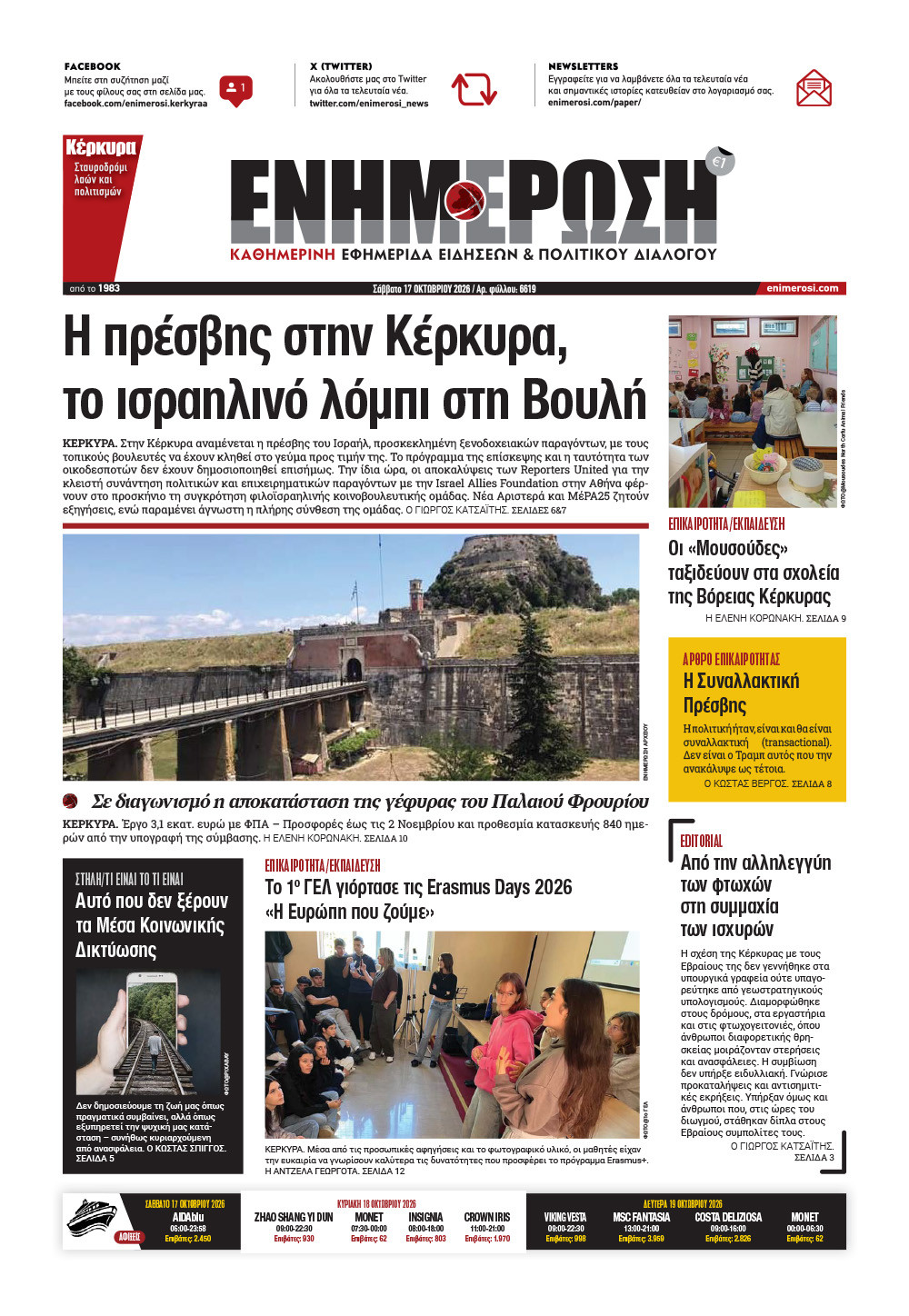
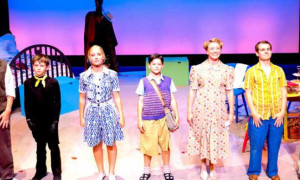
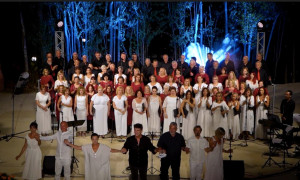
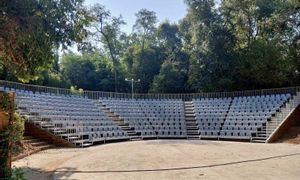
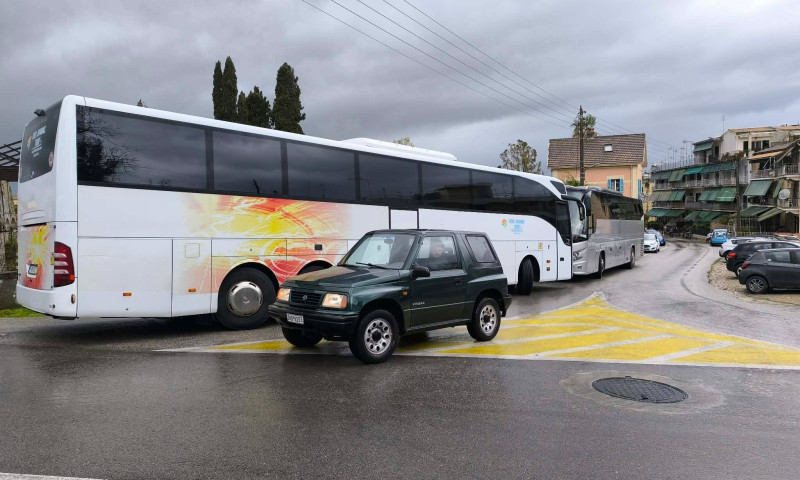
It remains unclear whether the large number of cars parked temporarily on Derpfeld Street on the occasion of performances at Mon Repos is linked to the repeated failures of water meters in nearby apartment buildings, causing leaks and disruptions to the water supply. What is clear, however, is that this is a street ill-suited to parking: it is narrow, its surface is already worn, and beneath it lie ageing and problematic water and sewage networks. These circumstances make it reasonable, at the very least, to examine whether the additional stresses from parked vehicles or increased traffic are contributing to the strain on fragile underground infrastructure.
But beyond the technical question lies a wider issue of planning and organisation. The rising popularity of Mon Repos, especially during cultural events, is creating pressures that the existing street network cannot absorb. It would be entirely reasonable to consider the development of a properly organised parking facility on available land in the area—one that prioritises residents’ needs while also accommodating buses and private vehicles used by visitors and theatre-goers. Such a measure could curb chaotic parking, enhance road safety, and ease the pressure on a neighbourhood that is currently bearing an unfair share of the burden without the infrastructure required to support it.
GIORGOS KATSAITIS