How we should protect workers during a heatwave
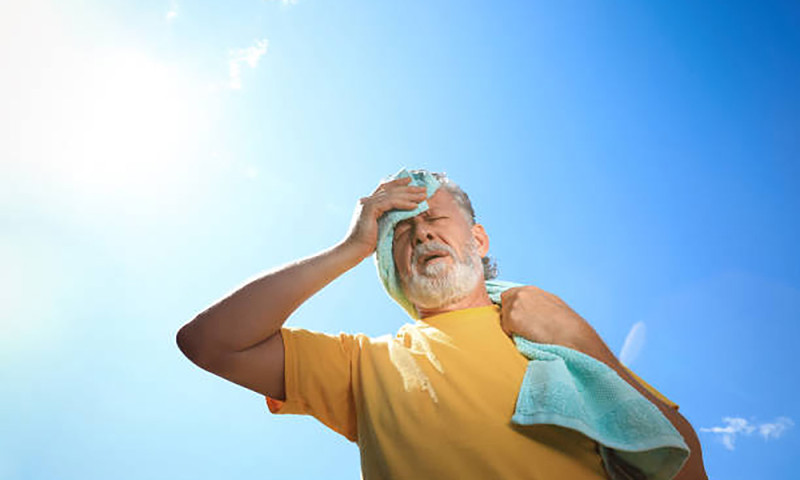 High temperatures significantly increase the risk of heat stress and workplace accidents. The Greek General Confederation of Workers (GSEE) urges employers, employees, and consumers to follow the recommended protective measures throughout the heatwave. Archive photo
ATHENS. The Greek General Confederation of Workers (GSEE) has released guidance on protecting workers from extreme heat, warning that heat stress is a serious occupational hazard for both outdoor and indoor workers. As exceptionally high temperatures persist, the Confederation has also reiterated its demand for binding workplace safety regulations instead of temporary government circulars.
The Greek General Confederation of Workers (GSEE) and its Secretariat for Occupational Health and Safety have issued detailed guidance for workers, trade unions, and employers on preventing heat stress, with the aim of reducing workplace accidents and protecting workers' health during the ongoing heatwave.
The Confederation reminds employers that they are required to provide an adequate supply of cool drinking water, suitable rest areas, properly scheduled breaks, and technical measures to improve workplace conditions. Particular emphasis is placed on avoiding strenuous work during the hottest hours of the day, as well as ensuring the proper maintenance of air-conditioning systems.
Additional protective measures apply to outdoor work, including the provision of shaded areas, the use of appropriate personal protective equipment (PPE) and sunscreen, and the mandatory suspension of work between 12:00 p.m. and 5:00 p.m. whenever temperatures and heat stress indices exceed the prescribed limits. These requirements cover construction sites, civil engineering projects, motorcycle delivery services, quarries, and other sectors where workers are exposed to extreme heat.
Special consideration is also required for vulnerable workers, including those with chronic health conditions, pregnant employees, and workers over the age of 60. Where feasible, remote working is recommended for these groups.
GSEE also stresses that the Labour Inspectorate must carry out intensive inspections at high-risk workplaces. Employers who fail to comply with the mandatory work stoppage or other required protective measures face an administrative fine of €2,000 per affected employee. Labour inspectors are also empowered to order the temporary suspension of work where they identify an immediate risk to workers' health and safety.
At the same time, the Confederation has reiterated its call on the Ministry of Labour to establish a permanent, legally binding framework for protecting workers from heat stress, building on proposals that were jointly developed with employers' organisations as early as 2018.
Finally, GSEE and the Consumers' Workers Union of Greece are urging the public to avoid placing orders that require motorcycle deliveries for as long as the heatwave continues—particularly during the hottest hours of the day. Instead, they encourage consumers to collect orders directly from shops or use other, safer delivery methods whenever possible.
GIORGOS KATSAITIS