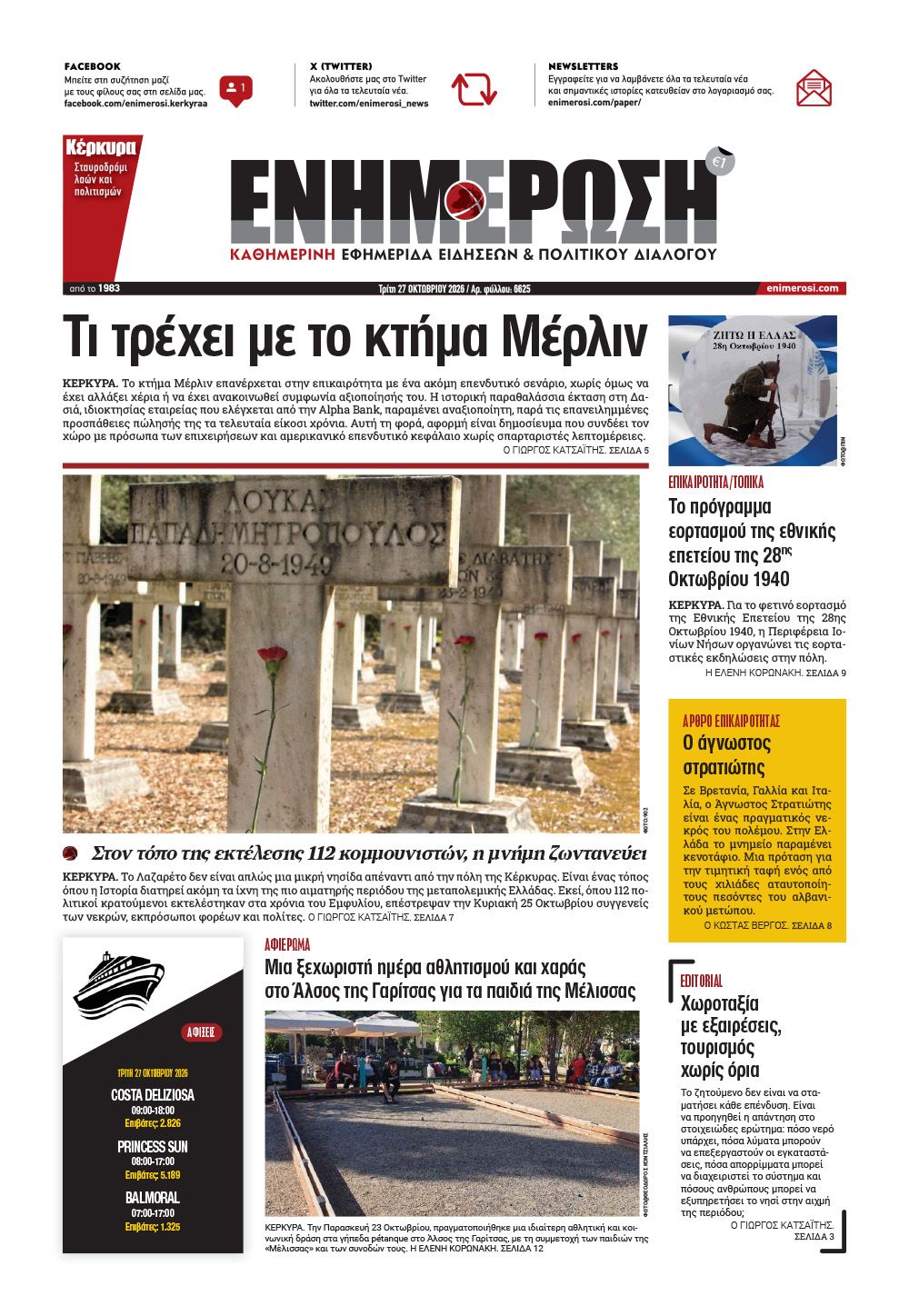
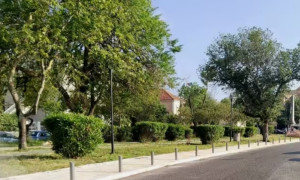
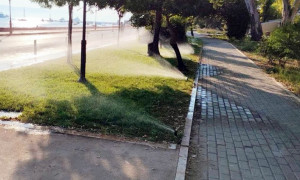
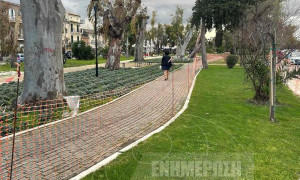
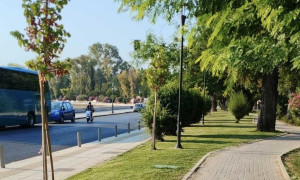
Garitsa Park permits—but for how many businesses?
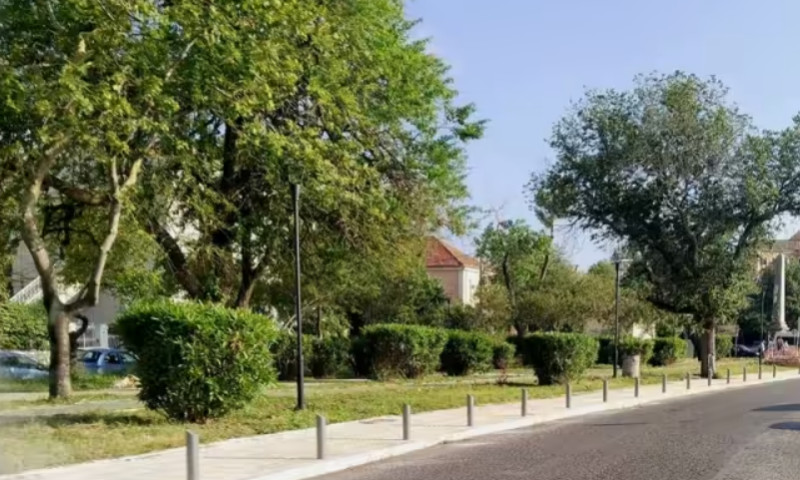
ATHENS. Questions keep arising about the park, making it harder to submit the amendment proposal jointly.
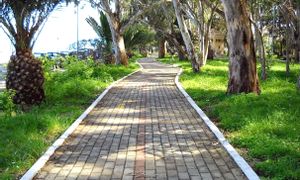
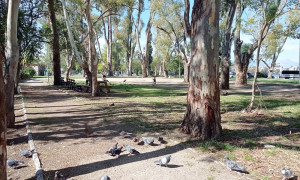
The preparation of a joint amendment by the three Corfu MPs for the declassification of the Garitsa and Anemomylos Park as forest land is in its final stage. According to reports, they worked with the Municipality’s legal department to draft it, seeking a solution that would not remove the protection and oversight of the Forest Service, while preserving the Municipality’s right to license catering businesses.
The 45 sq.m. limit is not being contested—at least not by the Municipality or the residents’ association (though it is, of course, challenged by the Forest Service, which, citing the law, is calling for the removal of all businesses from the park). Disagreements, however, arise regarding the number of businesses that could be included. A key issue is when the law came into force and how many businesses were operating in the area at that time—something that could potentially rule out granting permits to all current businesses.
The president of the Article 152 Committee, Evgenia Tsilibari, commenting under a social media post of the report by Enimerosi, notes that although it is not a natural forest, groves and parks are protected in the same way as forests due to their importance for the urban environment. She stresses that only mild uses are permitted and raises the question of whether declassification is reasonable, comparing it to similar cases such as the Athens National Garden, the Zappeion, or Pedion tou Areos.
For their part, residents appear ready to take legal action. As they state, they will participate in any legal proceedings and do not rule out an appeal to the Council of State to annul any potential legislative regulation that could put the park at risk.
Mayor Stefanos Poulimenos and MP Alexandros Avlonitis speak of the need for “common sense” so that the green character of the area is preserved without removing businesses. The latter mentioned that a model similar to that of Spianada Square is being considered for its partial conversion into a parking area—a regulation which, however, faced strong reactions and remains frequently contested for various reasons.
GIORGOS KATSAITIS