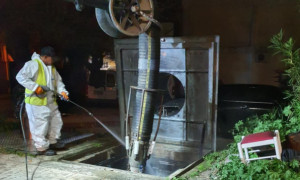
Temploni isn’t a carpet you can sweep rubbish under! And how much can you keep piling up there, anyway?
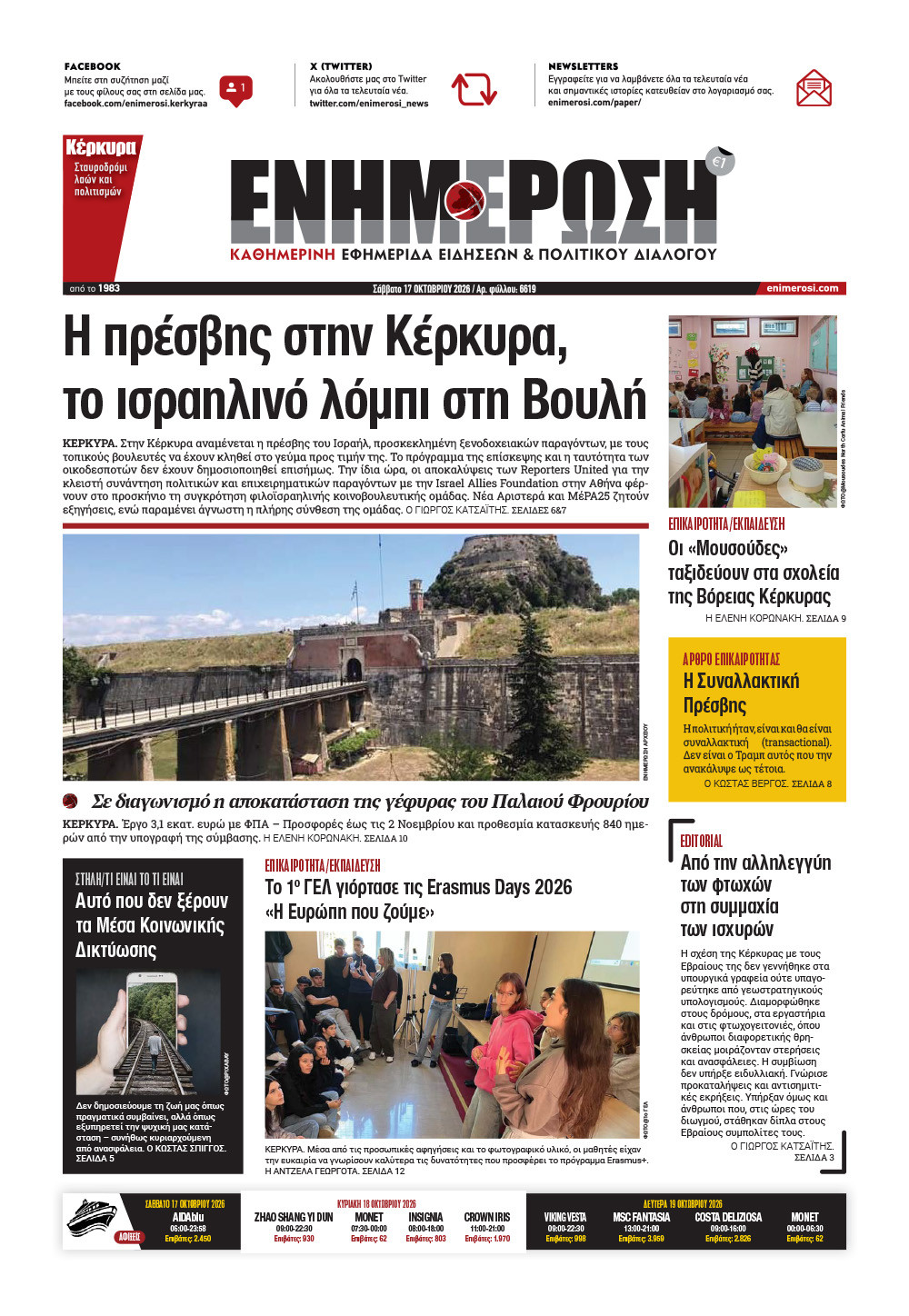
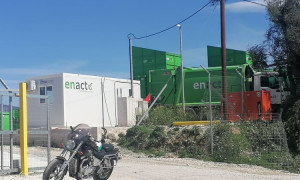
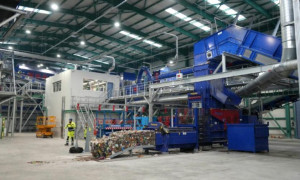
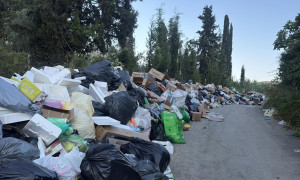
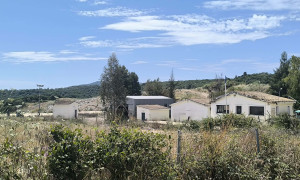
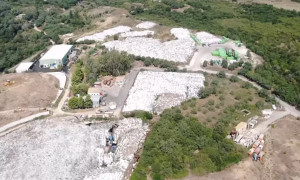
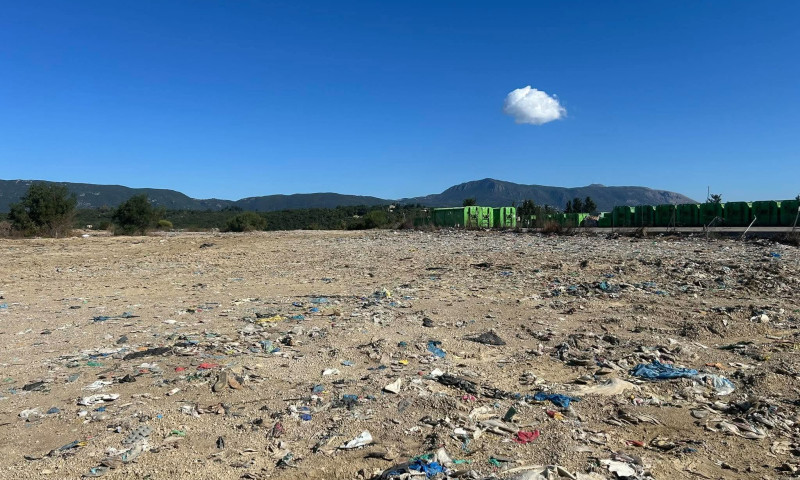 The cleared area now available next to the former landfill. Photos: Enimerosi
CORFU. The bales stored as a temporary solution never left Temploni – How the plan changed and they ultimately ended up on the landfill slopes now undergoing restoration.
The removal of the old baled waste from the site next to the facilities of the Waste Sorting and Recycling Facility and the landfill is currently under way. However, the bales are not leaving Temploni, or even Corfu. They are being moved within the Temploni Integrated Waste Management Facility, where they will be incorporated into the landfill currently undergoing restoration.
This is precisely what local residents in Temploni — and particularly members of the Environmental Association, who have persistently raised the issue — had feared for years: that the large quantities of baled waste accumulated over a decade would ultimately end up forming part of the new landform created by the consolidated landfill cells.
At the time, their concerns were met with reassuring statements from the authorities. Some may not have known how the plans would evolve, while others referred to the solutions envisaged at the time. As the process unfolded, however, decisions changed, and the institutional and technical framework was gradually shaped in a way that now allows the bales to be incorporated into the restoration works.
And so, another chapter comes to a close in the long history of Temploni and waste management by the local authorities and central government. A place that has borne an enormous waste burden for decades is now being called upon to accommodate, beneath the final restored landform, the waste that was once stored there as a temporary solution.
The original provision
The environmental permitting for the OEDA and the restoration of the landfill was based on an Environmental Approval Decision and its amendment. At the time, the baled waste was classified as temporarily stored (editor’s note: emphasis in the original text), as part of the transitional waste-management arrangements. The situation was different for the loose waste that had accumulated around the landfill cells.
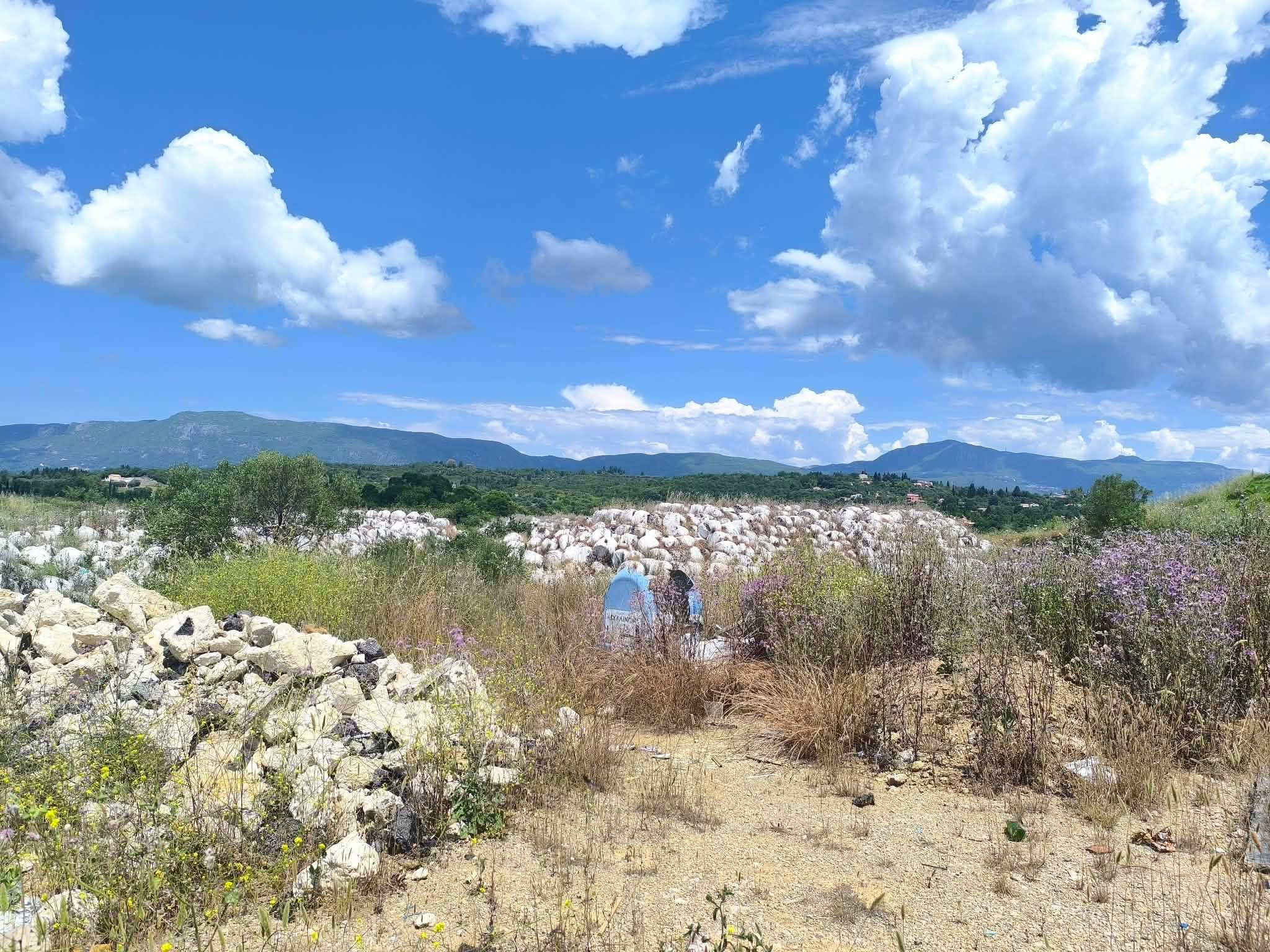
During the implementation of the restoration project, it was found that large quantities of loose waste were located to the north of Cell B and east of Cell C. The revised design provided for the relocation of the existing waste mass and the disposal of loose waste in the available areas until the final landform specified in the restoration plan was created.
The bales remained a separate matter (editor’s note: emphasis in the original text). Baling had been introduced as a transitional solution, and the bales had been gathered in a temporary storage area.
The change in 2021
The turning point came in the summer of 2021. On 12 August, the Regional Waste Management Authority (FODSA), in a document, requested a solution from the Ministry of Environment for approximately 80,000 cubic metres of loose waste and 10,000 bales that remained at the OEDA.
On 30 August, a Ministerial Decision was issued and published in the Government Gazette. It allowed priority disposal of both the 80,000 cubic metres of loose waste and the 10,000 bales in the available empty areas of the Temploni consolidated landfill, which was undergoing restoration.
A specific limit was set: the waste could be disposed of until the final waste landform specified in the approved restoration study was reached. The decision cited the need to protect public health and the environment from the continued presence of the waste.
Thus, for the first time, the temporarily stored bales were explicitly incorporated into the solution of disposing of the waste within the landfill undergoing restoration.
New environmental procedure in 2022
The process did not end with the ministerial decision. In 2022, FODSA submitted a new Environmental Impact Assessment for the “Renewal – Amendment – Updating – Consolidation” of the environmental terms governing the OEDA.
The study now included a separate section entitled “Additional disposal of deposited loose and baled Municipal Solid Waste in the consolidated landfill undergoing restoration.” The disposal of the bales was therefore also incorporated into the documentation for the new environmental approval process.
In subsequent official documents, the Decision is cited as the renewal, amendment and restatement of the environmental terms.
From decision to tender
The decision was subsequently turned into a specific project. FODSA put out to tender the project “Restoration of damage and destruction and mitigation of hazards to the infrastructure of the Corfu Regional Landfill.”
The project involves the transfer and incorporation of a total of 90,000 cubic metres of waste — 80,000 cubic metres of loose waste and 10,000 cubic metres of baled waste — from their current location to the landfill undergoing restoration.
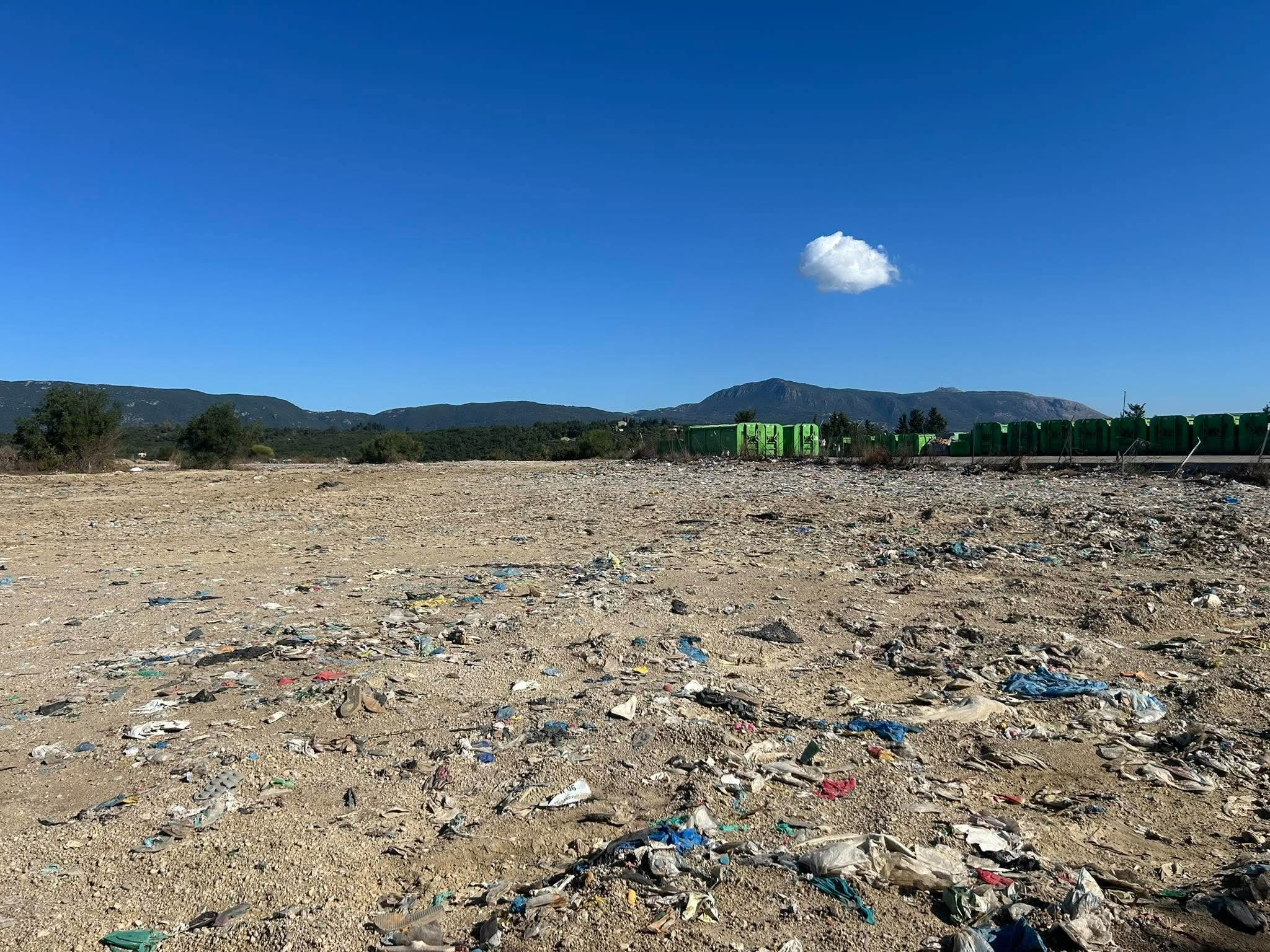
The tender documents set out a crucial environmental requirement: before disposal can begin, a Technical Environmental Study must be submitted and approved. This study must specify the quantity that may be disposed of, the method of disposal and the implementation of the approved restoration plan. The reissued tender notice of October 2024 goes so far as to link the commencement of the works to approval of the TEPEM.
The contract was ultimately awarded to WATT S.A., and its physical scope of work is now visible at Temploni: the area where the bales had remained for years is being cleared.
From “temporary” storage to the final landform
This is the crux of the story. The baled waste began as a temporary waste-management solution and was stored separately. The restoration of the cells was initially linked to the rearrangement of the existing waste mass and the loose waste. In 2021, a specific ministerial decision allowed the 10,000 bales to also be disposed of in the landfill undergoing restoration. In 2022, this option was explicitly incorporated into the new Environmental Impact Assessment and was subsequently turned into a project put out to tender and awarded under contract.
And so we arrive at the situation we see today: the bales are not leaving Temploni. They are being moved within the same OEDA and incorporated into the body of the landfill undergoing restoration, in order to complete the approved final landform, followed by final covering and restoration.
And so another chapter comes to a close in the long history of Temploni’s mistreatment. What was stored as a “temporary” solution never left. Years later, the temporary arrangement was administratively formalised, authorised and transformed into permanent incorporation into the landfill’s final landform.
Except that Temploni is not a carpet under which you can sweep the rubbish. And, above all, it is not bottomless...
GIORGOS KATSAITIS